










🔥 We have been featured on Shark Tank India.Episode 13

🔥 We have been featured on Shark Tank India

logologo
Search anything
Ctrl+K
gift
arrow
WhatsApp Icon

Stock Summary and Key Metrics


Investment Checklist


Financial Statements

AI Powered Summary

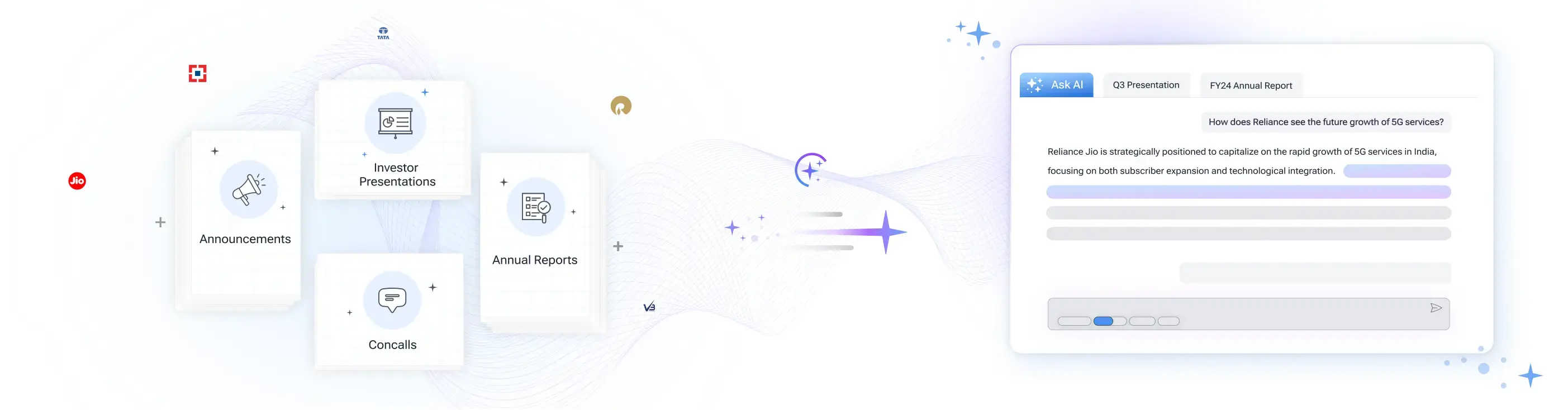
Discover detailed, AI-driven financial summaries that break down key metrics, trends, and insights—empowering you to make smarter investment decisions.

Ask AI

Ask AI

mockupmockup

Standalone Quarterly Results (in ₹ Crores)

Total Figures
QoQ Changes
Total Figures
Sep 2023Dec 2023Mar 2024Jun 2024Sep 2024Dec 2024Mar 2025Jun 2025Sep 2025Dec 2025
Sales541641796938164632014104
Expenses691621477952171712925101
Operating Profit-151.8832-9.90-15-7.54-8.26-8.66-112.94
OPM %-27.721.1517.83-14.25-38.91-4.60-13.07-42.85-81.112.82
Other Income0.16-0.33920.520.48-0.050.431.700.220.02
Interest7.616.25-6.442.473.533.283.313.383.503.91
Depreciation4.454.484.965.275.285.335.095.055.115.27
Profit Before Tax-27-9.19125-17-23-16-16-15-19-6.23
Tax %0.000.000.000.000.000.00-0.800.000.000.00
Net Profit-27-9.19125-17-23-16-16-15-19-6.23
EPS in Rs-2.68-0.9112.43-1.70-2.28-1.61-1.62-1.53-1.93-0.62

Standalone Profit Loss (in ₹ Crores)

Total Figures
YoY Changes
Total Figures
Mar 2017Mar 2018Mar 2019Mar 2020Mar 2021Mar 2022Mar 2023Mar 2024Mar 2025TTM
Sales390314403518547469553531334334
Expenses309300381475519457552507374374
Operating Profit8114224329130.6024-40-40
OPM %20.794.395.408.235.262.700.114.45-12.07-12.07
Other Income1.551.491.922.821072.701.65921.371.38
Interest41434525272627141313
Depreciation19181918191819182121
Profit Before Tax6.25-47-402.2990-29-4484-72-72
Tax %1.450.000.000.000.00-0.590.000.00-0.18-0.18
Net Profit6.16-47-402.2990-29-4484-73-73
EPS in Rs0.61-4.59-3.990.238.91-2.87-4.378.29-7.21-5.70
Dividend Payout %0.000.000.000.000.000.000.000.000.00

Standalone Balance Sheet (in ₹ Crores)

Total Figures
YoY Changes
Total Figures
Mar 2016Mar 2017Mar 2018Mar 2019Mar 2020Mar 2021Mar 2022Mar 2023Mar 2024Mar 2025
Equity Capital10101010101010101010
Reserves411479346431249550182109
Borrowings273111979465502929118.79
Other Liabilities228331399502512445490500428395
Total Liabilities552599600652631629624588631523
Fixed Assets426485467451463433457439468447
CWIP0.080.080.21144.80170.811.560.350.38
Investments0.5420139.141.88129.804.577.627.65
Other Assets1269311917816216715614315568
Total Assets552599600652631629624588631523

Standalone Cash Flows (in ₹ Crores)

Total Figures
YoY Changes
Total Figures
Mar 2016Mar 2017Mar 2018Mar 2019Mar 2020Mar 2021Mar 2022Mar 2023Mar 2024Mar 2025
Cash from Operating Activity662018317963521257-5.26
Cash from Investing Activity-0.722.05-1.37-16-19-22-242.870.190.01
Cash from Financing Activity-61-27-15-15-52-25-27-34-55-4.05
Net Cash Flow4.04-5.381.11-0.167.78160.98-192.61-9.30

Documents

Presentations
Concalls
Reports
Presentations

No documents found!

Actions

Action Type


AI Mode

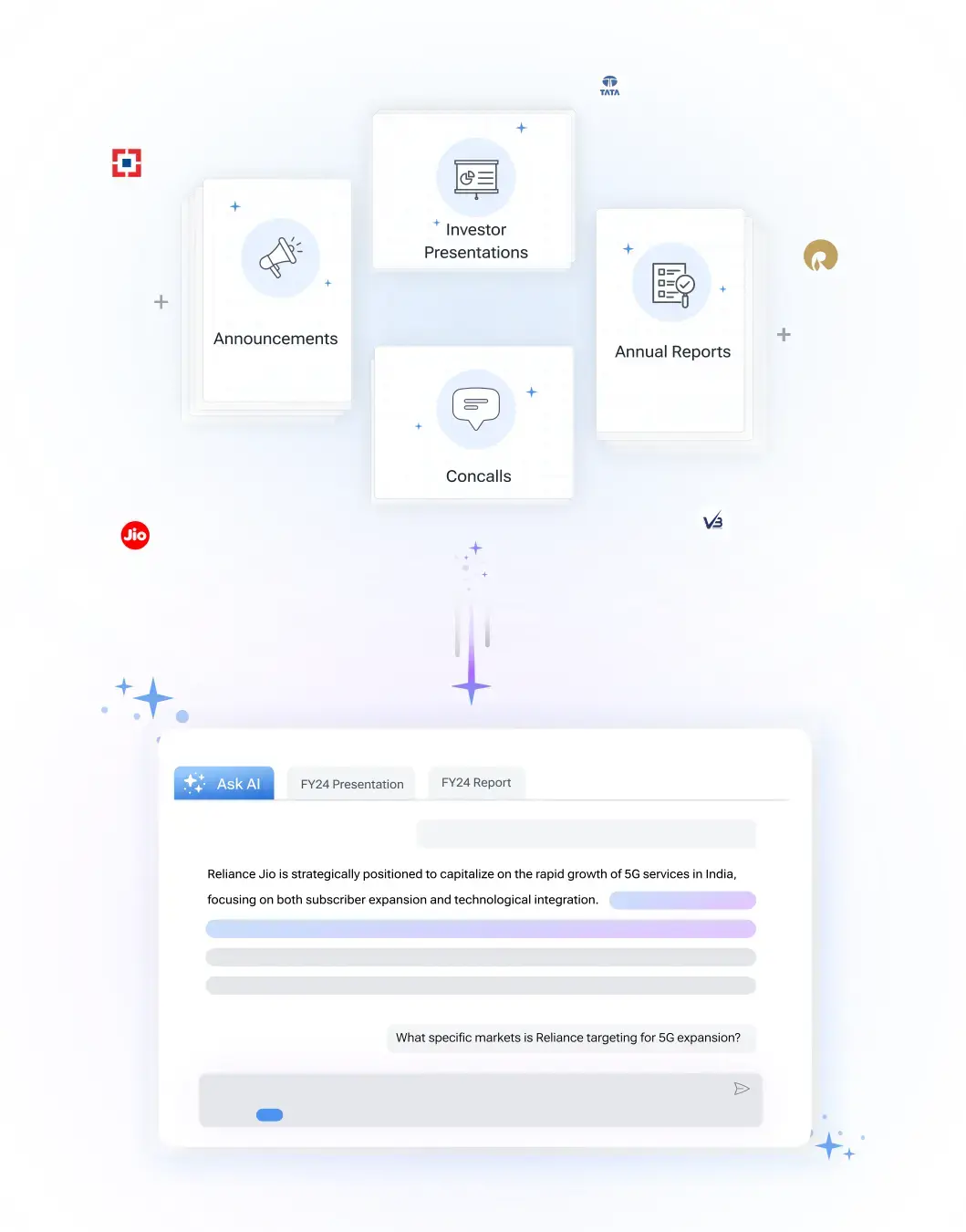
Get instant AI-powered insights about company performance, financials, and strategy. Ask questions about trends, competition, and developments while receiving responses backed by official documents and market data, with clear attribution to source documents.

Ask AI

Ask AI

ai-corner-premiumai-corner-premium

Frequently Asked Questions about Kesar Enterprises Ltd

Kesar Enterprises Ltd (KESARENT) is currently trading at 5.08 per share. Stock prices fluctuate during market hours on NSE and BSE based on demand, company updates, and overall market conditions. Refer to the live price chart above for the most recent price movement.

Kesar Enterprises Limited, initially known as 'The Kesar Sugar Works Limited', focuses on the production of sugar, spirits, ethanol, and power derived from bagasse, primarily operating in Baheri, Uttar Pradesh. Initially established in 1933 and part of Kilachand Devchand Group, the company underwent a name change to Kesar Enterprises Limited in 1999 as it diversified its operations and expanded its production capabilities. The company has significantly enhanced its alcohol production capacity, increasing from 13,092 KL/year to 16,365 KL/year to boost both quality and volume. A strategic demerger in 2010 led to the creation of Kesar Terminals & Infrastructure Ltd, which was originally a wholly-owned subsidiary involved in storage solutions. Kesar Enterprises operates a 44 MW bagasse-based cogeneration power plant, which became operational in October 2012, highlighting the company's efforts in renewable energy production.

Over the past 52 weeks, Kesar Enterprises Ltd has traded between a low of ₹4.10 and a high of ₹14.87. The 52-week high and low indicate the stock’s price range over the last year and help investors understand its volatility and recent trading levels.

Kesar Enterprises Ltd has a market capitalization of approximately 51.00. Market capitalization represents the total value of a company’s outstanding shares and helps investors understand its size, stability, and relative risk compared to other listed companies.

Kesar Enterprises Ltd’s investment profile depends on its business fundamentals, valuation, and long-term outlook. The stock currently trades at a PE ratio of N/A and operates in the Sugar sector. Investors typically assess financial performance, growth prospects, and individual risk tolerance before making investment decisions.

Based on its market capitalization of 51.00 Cr, Kesar Enterprises Ltd is classified as a Small Cap stock. Large-cap stocks are generally more stable, while mid-cap and small-cap stocks tend to offer higher growth potential along with higher price volatility.

Kesar Enterprises Ltd operates in the Sugar sector. Sector classification matters because companies in the same sector are often affected by similar economic conditions, regulatory changes, and competitive dynamics, which can influence overall stock performance.

The Price-to-Earnings (PE) ratio of Kesar Enterprises Ltd is N/A. The PE ratio compares a company’s share price to its earnings and is commonly used to assess valuation. Comparing the PE ratio with sector peers and historical levels provides better context.