









🔥 We have been featured on Shark Tank India.Episode 13

🔥 We have been featured on Shark Tank India

logologo
Search anything
Ctrl+K
gift
arrow
WhatsApp Icon

Stock Summary and Key Metrics


Investment Checklist


Forecasts

No ConstituentsNo Constituents

Financial Statements

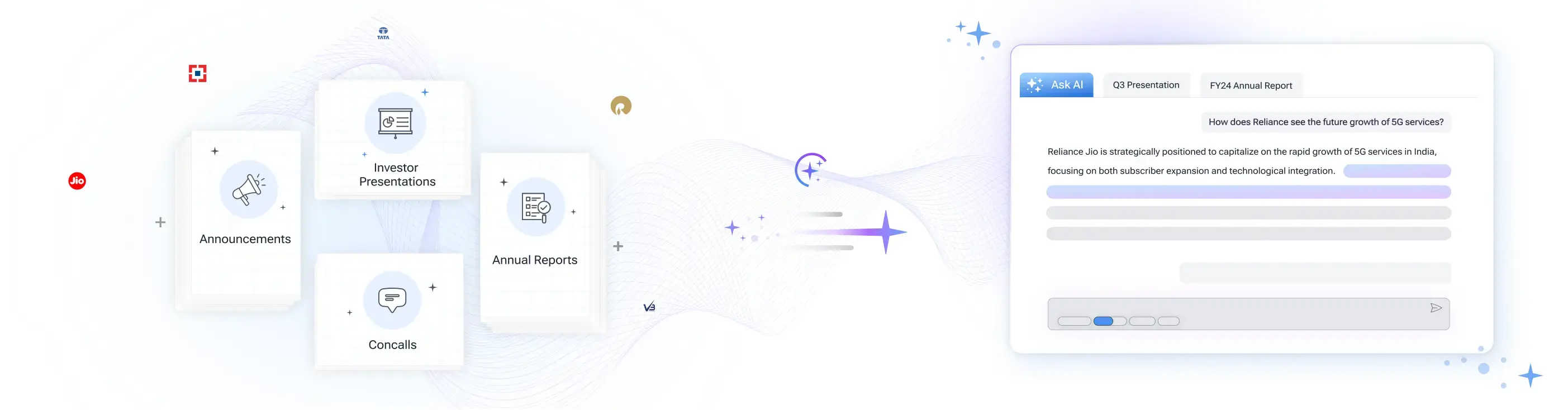
AI Powered Summary

Discover detailed, AI-driven financial summaries that break down key metrics, trends, and insights—empowering you to make smarter investment decisions.

Ask AI

Ask AI

mockupmockup

Standalone Half Yearly Results (in ₹ Crores)

Total Figures
YoY Changes
Total Figures
Sep 2021Mar 2022Sep 2022Mar 2023Sep 2023Mar 2024Sep 2024Mar 2025Sep 2025
Sales284434613888618622
Expenses264231593483598521
Interest1.091.421.271.281.221.431.341.090.14
Operating Profit2.062.762.732.674.165.392.761.790.81
OPM %7.396.208.074.3410.916.124.512.073.69
Other Income0.000.010.010.000.060.160.000.000.00
Depreciation0.350.350.530.310.560.560.560.530.55
Profit Before Tax0.681.010.951.082.453.560.860.170.13
Tax %5.885.942.1116.6733.8823.600.00188.240.00
Net Profit0.650.950.920.901.622.720.86-0.150.13
EPS in Rs

Standalone Profit Loss (in ₹ Crores)

Total Figures
YoY Changes
Total Figures
Mar 2019Mar 2020Mar 2021Mar 2022Mar 2023Mar 2025
Sales3664747295148
Expenses3460696790143
Operating Profit2.553.594.454.885.414.55
OPM %7.065.656.026.755.673.08
Other Income0.010.050.060.010.010.00
Interest1.101.852.002.512.552.43
Depreciation0.420.580.620.700.841.09
Profit Before Tax1.051.221.891.692.031.02
Tax %29.0426.1026.035.7410.0831.13
Net Profit0.740.901.401.601.830.71
EPS in Rs
Dividend Payout %0.000.000.000.000.000.00

Standalone Balance Sheet (in ₹ Crores)

Total Figures
YoY Changes
Total Figures
Mar 2019Mar 2020Mar 2021Mar 2022Mar 2023Mar 2025
Equity Capital111111111519
Reserves0.691.582.984.326.5518
Borrowings131922232424
Other Liabilities119.3316138.2412
Total Liabilities354152515474
Fixed Assets8.598.288.869.771311
CWIP0.000.000.000.000.000.00
Investments0.000.000.000.000.000.00
Other Assets263343424063
Total Assets354152515474

Standalone Cash Flows (in ₹ Crores)

Total Figures
YoY Changes
Total Figures
Mar 2019Mar 2020Mar 2021Mar 2022Mar 2023Mar 2024Mar 2025
Cash from Operating Activity-0.55-4.22-0.373.071.30-0.77-5.47
Cash from Investing Activity-1.67-0.26-1.20-2.28-4.48-0.01-0.15
Cash from Financing Activity2.244.471.79-0.903.270.685.67
Net Cash Flow0.03-0.020.22-0.110.09-0.100.06

Shareholdings

Shareholding History

Quarterly
Yearly
Quarterly
Apr 2022Sep 2022Mar 2023Sep 2023Dec 2023Mar 2024Sep 2024Mar 2025Sep 2025
Promoters53.25%38.87%38.87%38.87%30.64%38.87%25.03%17.68%17.68%
FIIs0.00%0.00%0.00%0.00%0.00%0.00%0.38%0.00%0.00%
DIIs46.75%0.00%0.00%0.00%0.00%0.00%0.00%0.00%0.00%
Public0.00%61.13%61.13%61.13%69.36%61.13%74.60%82.32%82.32%
Total Shareholders7222184139160147589634624

Market Transactions

Unlock Premium Features

Analyst Target, Price, EPS and Revenue Projections

professionalIcon

Upgrade

transaction-premiumtransaction-premium

Projection

No ConstituentsNo Constituents

Documents

Presentations
Concalls
Reports
Presentations

No documents found!

Actions

Action Type


AI Mode

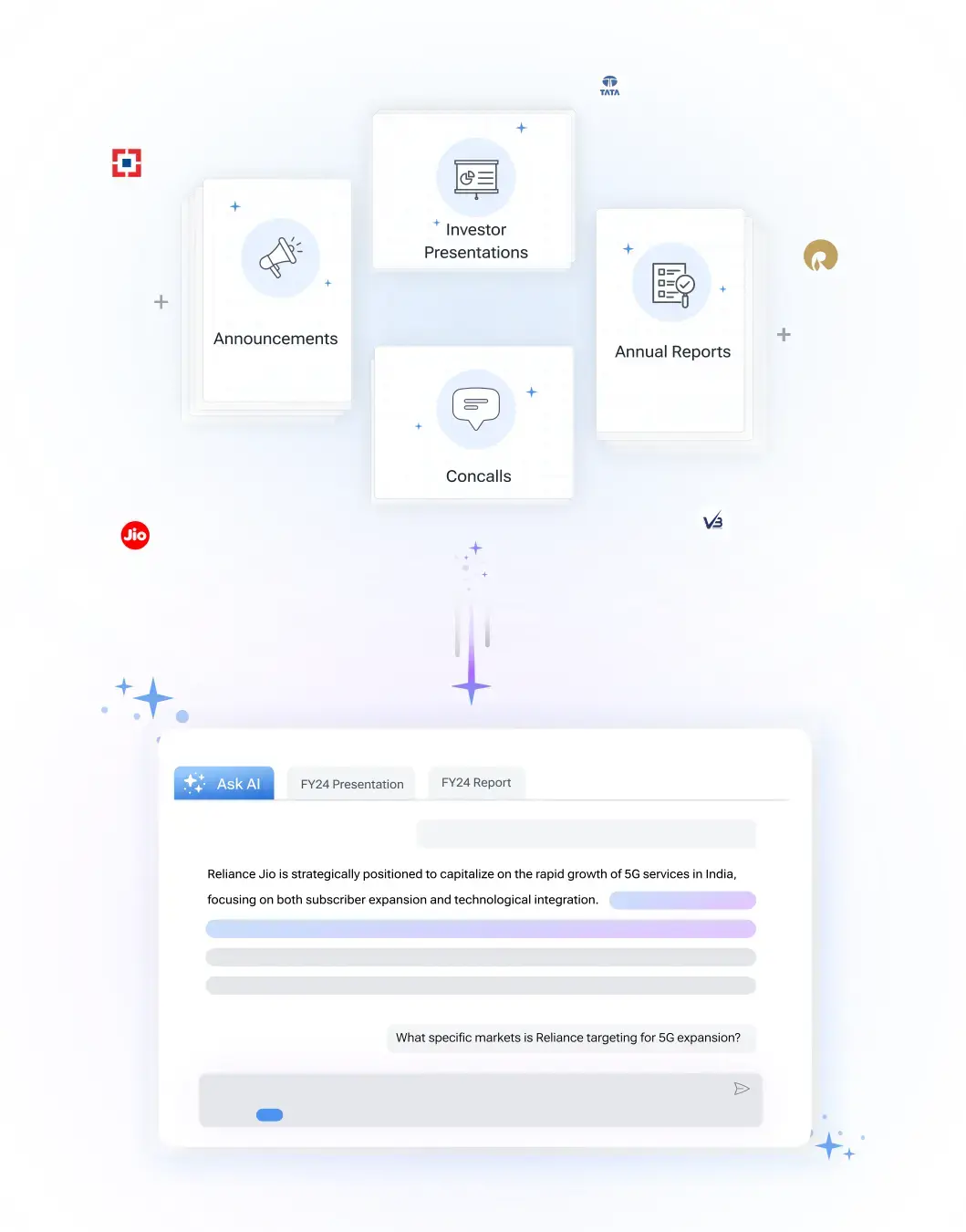
Get instant AI-powered insights about company performance, financials, and strategy. Ask questions about trends, competition, and developments while receiving responses backed by official documents and market data, with clear attribution to source documents.

Ask AI

Ask AI

ai-corner-premiumai-corner-premium

Frequently Asked Questions about Sabar Flex India Ltd

Sabar Flex India Ltd (SABAR) is currently trading at 5.70 per share. Stock prices fluctuate during market hours on NSE and BSE based on demand, company updates, and overall market conditions. Refer to the live price chart above for the most recent price movement.

Sabar Flex India Limited is involved in the manufacturing of flexible packing materials made from plastics, catering to various industries such as pharmaceuticals and FMCG. The company transitioned from a partnership firm to a public limited entity in 2018 and has raised significant capital through public issues. Strategically located in Gujarat, Sabar Flex benefits from proximity to the Rajasthan salt industry, leveraging location advantages for efficient logistics. Sabar Flex aims to offer a comprehensive range of products from multilayer films to flexible packaging solutions, fulfilling diverse industry needs. The company has encountered robust demand within the Indian salt industry due to limited competition in Flexible Packaging in Rajasthan, optimizing its market position.

Over the past 52 weeks, Sabar Flex India Ltd has traded between a low of ₹3.80 and a high of ₹9.55. The 52-week high and low indicate the stock’s price range over the last year and help investors understand its volatility and recent trading levels.

Sabar Flex India Ltd has a market capitalization of approximately 9.83. Market capitalization represents the total value of a company’s outstanding shares and helps investors understand its size, stability, and relative risk compared to other listed companies.

Sabar Flex India Ltd’s investment profile depends on its business fundamentals, valuation, and long-term outlook. The stock currently trades at a PE ratio of 15.41 and operates in the Packaging sector. Investors typically assess financial performance, growth prospects, and individual risk tolerance before making investment decisions.

Based on its market capitalization of 9.83 Cr, Sabar Flex India Ltd is classified as a Small Cap stock. Large-cap stocks are generally more stable, while mid-cap and small-cap stocks tend to offer higher growth potential along with higher price volatility.

Sabar Flex India Ltd operates in the Packaging sector. Sector classification matters because companies in the same sector are often affected by similar economic conditions, regulatory changes, and competitive dynamics, which can influence overall stock performance.

The Price-to-Earnings (PE) ratio of Sabar Flex India Ltd is 15.41. The PE ratio compares a company’s share price to its earnings and is commonly used to assess valuation. Comparing the PE ratio with sector peers and historical levels provides better context.