










WPIL says West Bengal funds are key to JJM recovery
Key highlights
- WPIL said West Bengal accounts for about 50% to 60% of its domestic project-work backlog.
- Management said West Bengal had not paid WPIL for 2 years and expected releases to begin in the following week.
- WPIL discussed a Rs 1,900 crore domestic project order book, including about Rs 550 crore of O&M work.
- Management said quarterly revenue was about Rs 350 crore versus a typical Rs 450 crore to Rs 500 crore level.
powered by IRIS
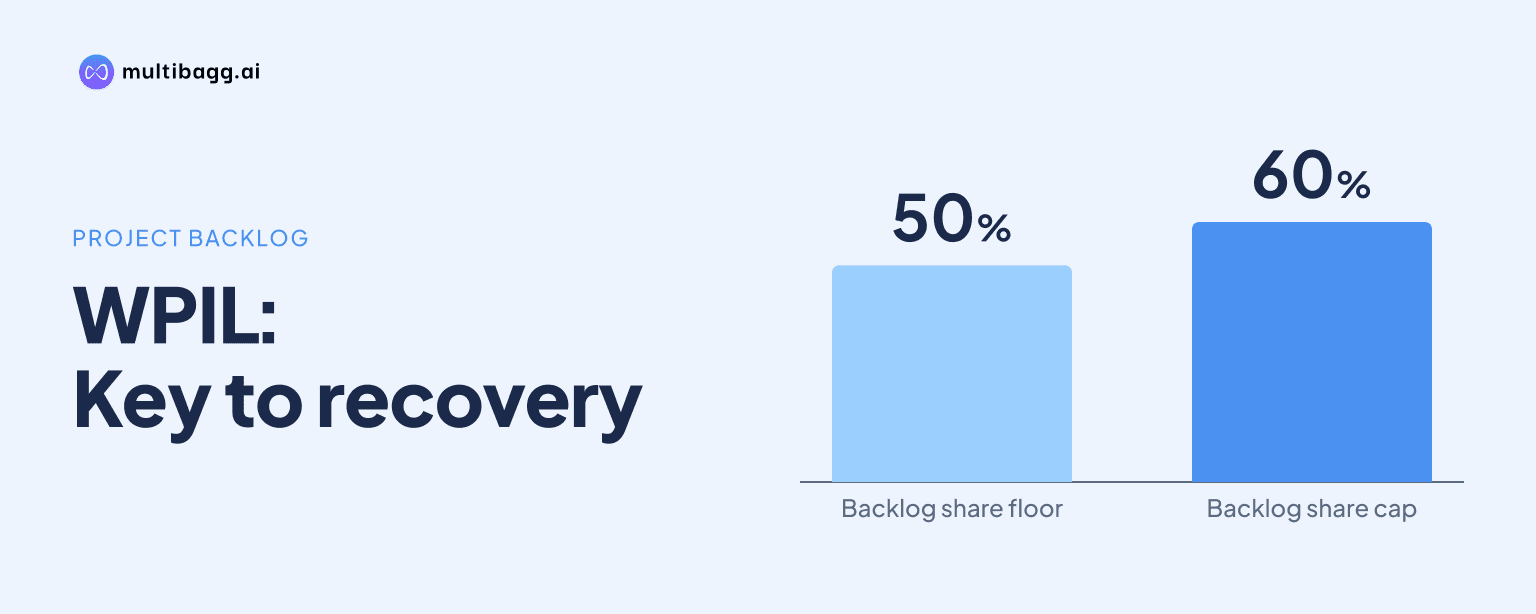
WPIL said expected West Bengal fund releases could support Jal Jeevan Mission (JJM) execution after a two-year payment delay, with the state accounting for about 50% to 60% of its domestic project-work backlog. Management expected releases to WPIL to begin in the week following the call, after smaller vendors received some funds 15 to 20 days earlier.
Know WPIL inside out
Results, valuation, peers and who's buying, in one view.
When does WPIL expect West Bengal JJM payments?
WPIL expected West Bengal to begin releasing its payments in the week after the call, but management did not confirm a payment date or a sum received by the company. Prakash Agarwal said the company was waiting for the funds before accelerating supplies on its major West Bengal contracts. He said results could become visible quickly once supplies resumed.
The anticipated release remained conditional because the company had not received its own funds at the time of the call. An analyst said around Rs 4,000 crore had been released for West Bengal JJM work, but management responded that this money remained with the department and had not been disbursed. Another analyst cited more than Rs 300 crore as stuck with the West Bengal government, and Agarwal agreed.
How much of WPIL's domestic project work is in West Bengal?
WPIL said West Bengal represented about 50% to 60% of the domestic project-work backlog discussed on the call. Management did not give an exact state-level order-book value, but it made clear that West Bengal payments were central to the pace of domestic execution. Agarwal declined to estimate how much of this work could be completed in the second half before the company received funds.
The call distinguished the Rs 1,900 crore domestic project order book from the project-work balance after operations and maintenance, or O&M, contracts. O&M contracts have different execution periods, ranging from two to 10 years, while analysts discussed roughly Rs 1,400 crore as the remaining project and JJM work. Management said West Bengal's two-year payment delay had shifted execution timing.
The concentration explains why management described a stronger second half without issuing a revenue forecast. An analyst said domestic project execution was about Rs 100 crore in the first half, compared with the roughly Rs 1,400 crore project-work balance under discussion. Management said it would provide a clearer execution view on the next call after funds had been received.
Why is commissioning important for WPIL's JJM payments?
WPIL said JJM funding and project monitoring are increasingly linked to commissioning, prompting the company to focus on completing existing work rather than adding orders. Management said it had slowed order booking and prioritised execution during the past two years. It also said several large projects had recently been commissioned and that O&M had started on a number of projects.
Commissioning is the mechanism that can move a project into recurring O&M activity. Management said a commissioned project passes through defect-liability and trial-operation periods before entering O&M. WPIL recently received an O&M order of about Rs 25 crore to Rs 27 crore after one project moved into that phase, although it described first-half O&M revenue as insignificant.
Outside West Bengal, management said projects in Madhya Pradesh and other states were progressing towards commissioning and O&M in line with their timelines. It expected O&M activity to pick up in the second half and said it could offer a clearer picture by the end of the year. West Bengal, by contrast, required payment clarity before a revised project schedule could be discussed.
Got a follow-up? Ask IRIS
What could support WPIL's second-half execution?
WPIL said West Bengal funding, better construction weather and greater commissioning activity could support second-half domestic execution. Management described the period after the monsoon as the peak construction season and said its client wanted work to accelerate. It nevertheless said that actual fund receipt had to precede any numerical execution outlook.
Domestic product dispatches are another potential contributor to second-half revenue. Management said heavy September monsoon conditions meant some project sites did not accept goods, causing dispatches to be deferred rather than cancelled. The product backlog discussed in the call rose from about Rs 450 crore to about Rs 500 crore, and management expected the deferred dispatches to be completed in the second half.
Management attributed the quarter's margin fluctuation to revenue timing rather than gross-margin pressure. Agarwal said quarterly revenue would typically be about Rs 450 crore to Rs 500 crore, versus about Rs 350 crore in the referenced quarter. He said WPIL targeted consolidated earnings before interest, tax, depreciation and amortisation, or EBITDA, margin of 17% to 18%, within its 15% to 20% range.
What could still delay WPIL's West Bengal recovery?
The key unresolved issue is whether the expected West Bengal release reaches WPIL and enables supplies to restart. Management did not provide a revised completion date for its West Bengal contracts and explicitly asked analysts not to speculate about completing the backlog in the second half. The two-year payment delay had already moved the timeline for those projects.
Funding constraints may also postpone demand conversion in the domestic product market. Management said demand for pumps remained high, but public infrastructure spending faced funding pressure following higher crude oil prices and geopolitical disruption. It described the resulting postponements as a timing issue, while saying the domestic product business should have a stronger second half.
International projects have different execution patterns and are not expected to provide a steady quarterly run rate. Management said South African projects are lumpy, generally run for four years and should gain material traction from calendar year 2027. It said the second year of a typical project is often the period of highest revenue, while cost-variation clauses apply across its projects.
Conclusion
WPIL's domestic project recovery depends substantially on West Bengal, where management expected fund releases after a two-year delay and where 50% to 60% of the project-work backlog is concentrated. Commissioning is the operating link between project completion, JJM funding processes and future O&M activity, while deferred product dispatches offer a separate second-half revenue opportunity.
The next event to watch is WPIL's next earnings call, when management said it expects to provide a clearer execution outlook after assessing whether West Bengal funds have been received. Investors can also monitor the conversion of commissioned projects into O&M from the Rs 550 crore O&M order-book component and the expected pickup in domestic product dispatches after September's monsoon disruption.