










Archean Chemical Industries Limited expects Hajipir cost relief
Key highlights
- ACI began using reopened Hajipir roads in early October 2026 after construction was completed by end-September.
- Road diversions increased salt-haul distance and related costs by around 15% to 30%.
- Industrial-salt volume was around 812,000 tonnes in Q2 FY27, down 9% year on year, while revenue rose 9% to Rs 161 crore.
- Industrial HSD averaged about Rs 136 per litre in Q2 FY27 versus about Rs 87 per litre in Q2 FY26.
powered by IRIS
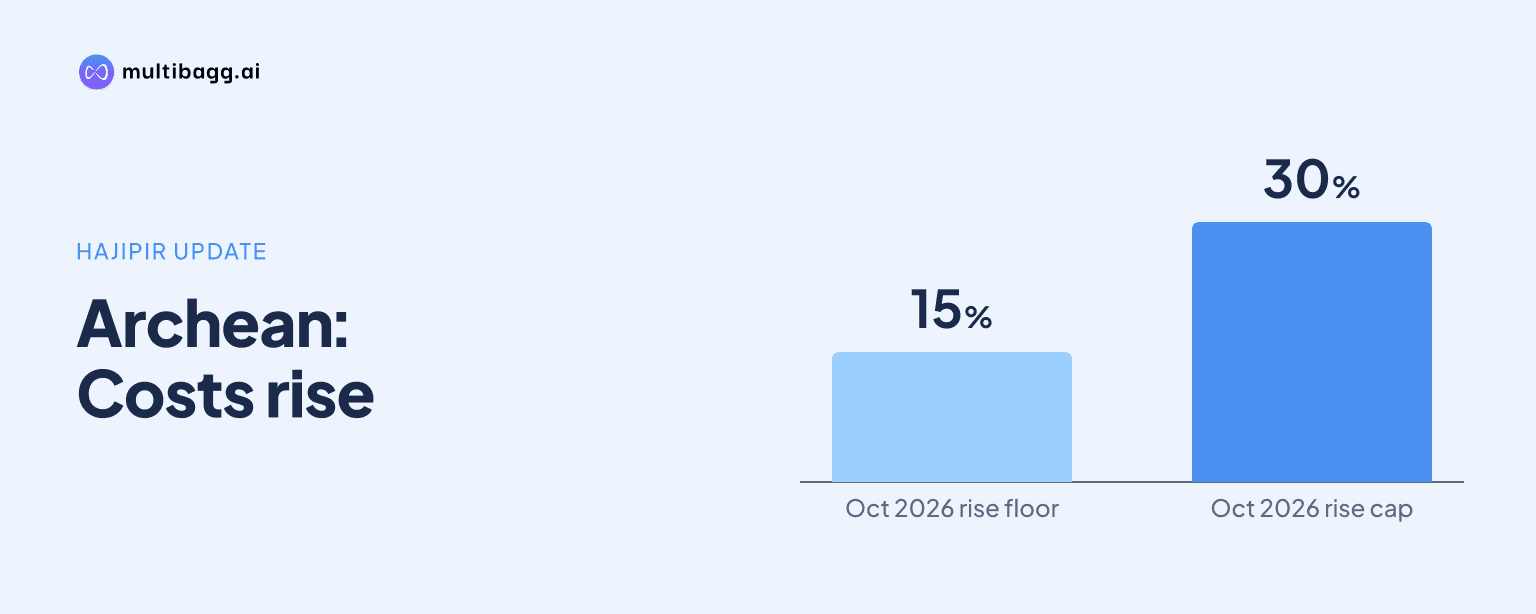
Archean Chemical Industries Limited expects the Hajipir road reopening in early October 2026 to improve industrial-salt throughput and reduce costs after construction diversions raised trip distances and related logistics expenses by 15% to 30%. Management said the completed route should begin improving the salt cost structure in Q3 FY27, though diesel prices and customer shipment deferrals remain constraints.
Know Archean Chemical Industries inside out
Results, valuation, peers and who's buying, in one view.
What changed when the Hajipir road project was completed?
ACI said the Hajipir road project was completed by the end of September 2026 and that it began operating on the new roads in early October 2026. The construction had affected routes from ACI’s Hajipir plant to Jakhau and, to a lesser extent, Kandla and Mundra, which are used for industrial-salt shipments.
The diversions increased distance per trip by about 15% to 30%, and costs rose in a similar fashion, according to management. ACI expects better volume throughput and an improved cost structure from Q3 FY27, but it did not quantify a saving per tonne or state that the full 15% to 30% cost increase had already been reversed.
How much did logistics and fuel inflation affect ACI?
ACI faced elevated salt logistics costs in Q2 FY27 because of Jakhau Port’s seasonal shutdown, which shifted volumes to other Gujarat ports. The movement to Mundra and Kandla was further affected by road diversions and diesel prices, linking the road disruption to both longer trips and higher transport costs.
Industrial high-speed diesel, or HSD, averaged about Rs 136 per litre in Q2 FY27, compared with about Rs 87 per litre in Q2 FY26. Coal and propanol prices rose around 40% year on year, while sulphur prices more than doubled, although those latter inputs affect ACI’s wider manufacturing operations rather than industrial salt alone.
ACI said it partly contained logistics pressure through route management, contracting and vendor changes. Its logistics cost per tonne remained flat between Q1 FY27 and Q2 FY27 despite the Jakhau shutdown, but management did not disclose the absolute cost per tonne or a year-on-year comparison.
Can ACI improve industrial-salt volumes in H2 FY27?
ACI reported industrial-salt revenue of Rs 161 crore in Q2 FY27, up 9% year on year, while volume declined 9% to around 812,000 tonnes. Management attributed the volume decline mainly to deferred shipments from major and multiple customers amid conditions in the polyvinyl chloride, or PVC, and caustic-soda markets.
For H1 FY27, ACI described salt volumes at around 1.8 million to 1.9 million tonnes against its earlier indication of 4.5 million tonnes for FY27. Management said the order book and ability to ship were available, but customer operating rates and PVC-linked deferrals made the timing of shipments difficult to predict.
The new road can improve ACI’s ability to move orders that are available rather than ensure demand returns. Management said it remained optimistic that conditions would stabilise in H2 FY27 and produce stronger salt volumes in Q3 and Q4, without issuing revised salt-volume guidance.
ACI also expanded logistics infrastructure during Q2 FY27, completing new yard development at two of three ports, commencing Kandla operations and adding 100 trailers to its company-owned fleet. These measures are intended to give ACI more control over routing and fleet deployment as road access improves.
Got a follow-up? Ask IRIS
What could limit ACI’s cost and shipment recovery?
Higher diesel prices remain an external pressure even after the diversion ends, with industrial HSD at about Rs 136 per litre in Q2 FY27. ACI said broad manufacturing-cost inflation could continue for the rest of FY27, citing sulphur dioxide, sulphur, hydrated lime and pet-coke-linked input prices.
Ocean freight rates also increased in Q2 FY27 and pressured industrial-salt realisations, management said. ACI secured new orders from Vietnam and Oman as part of its effort to broaden customers and protect market share, but did not disclose the tonnage or prices attached to those orders.
Customer demand remains connected to PVC and caustic-soda activity. Management said ethylene prices in China had risen to about US$1,140 to US$1,200 per metric tonne, while weaker PVC demand and regional overcapacity reduced operating rates and contributed to deferred salt schedules.
Management expects a rebound in PVC pricing during the quarter to support firmer order schedules. The Hajipir reopening is therefore a transport-side improvement that could support margins and dispatch capacity, while actual customer call-offs remain dependent on downstream PVC conditions.
How material is salt to ACI’s Q2 FY27 performance?
ACI reported standalone total income of Rs 305.4 crore in Q2 FY27, compared with Rs 231.8 crore in Q2 FY26 and Rs 332 crore in Q1 FY27. Standalone earnings before interest, tax, depreciation and amortisation, or EBITDA, were Rs 89.3 crore, up 17.5% year on year and 6.4% sequentially.
Industrial salt represented about 55% of Q2 FY27 business mix, compared with bromine at 44% and sulphate of potash, or SOP, at about 1%. This makes a reduction in salt transport distance relevant to ACI’s largest reported segment, even as bromine revenue rose 76% year on year to Rs 127 crore.
Bromine separately faced unscheduled power cuts that created around 7% to 8% additional downtime in Q2 FY27. Management expects better clarity on shutdown scheduling to restore some production and sales, showing that ACI’s H2 FY27 outcome depends on logistics, power availability, customer demand and input costs.
Conclusion
The Hajipir road reopening removes a specific logistics disruption that raised salt-haul distance and related costs by around 15% to 30%. Combined with two new port yards, Kandla operations and 100 additional trailers, the route gives ACI a basis to improve industrial-salt throughput and costs after Q2 FY27 volume fell 9% to around 812,000 tonnes.
The next test is Q3 FY27 execution, when management expects the new route to begin improving costs and volumes. ACI remains focused on its earlier 4.5 million-tonne FY27 salt indication after H1 volume of around 1.8 million to 1.9 million tonnes, while PVC-linked deferrals and industrial HSD prices remain unresolved variables.