










EPACK Durable cites PLI rollback and mix for margin recovery
Key highlights
- EPACK said AC business value increased 58.4% in H1, while estimated volume growth was about 40% to 45%.
- EPACK expects full-year AC industry growth of 20% to 25% from the prior year.
- Management said foreign-exchange fluctuation is the biggest dent to EPACK's margins and cannot be passed through in real time.
- EPACK said Dehradun and Bhiwadi have better utilisation, while newer capacity has been harder to absorb over the last couple of quarters.
powered by IRIS
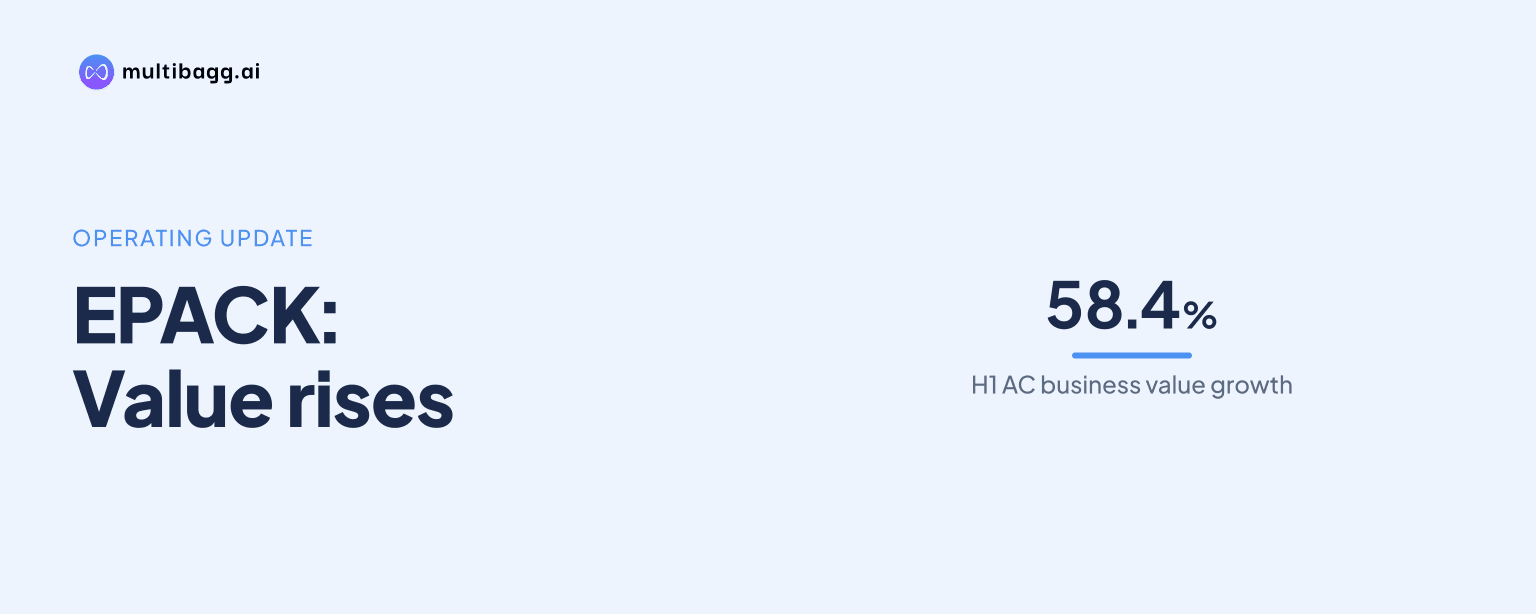
In H1, EPACK said margins can improve through phased rollback of production-linked incentive discounts, a greater domestic-appliance mix and fuller use of new capacity, after air-conditioner business value rose 58.4%. Management gave no numerical margin target and called foreign-exchange fluctuation its biggest dent.
Know Epack Durable inside out
Results, valuation, peers and who's buying, in one view.
What levers does EPACK cite for margin recovery?
EPACK cites two direct levers for margin recovery: phased withdrawal of production-linked incentive, or PLI, discounts earlier passed to brand customers, and a changing product mix toward large and small domestic appliances. Management said both appliance categories are margin accretive, but did not disclose the current PLI discount, the recovery timetable or the expected margin benefit.
The PLI action concerns incentives that EPACK had previously passed through to brands, rather than a normal input-cost adjustment. Management said it is applying discipline to recover those discounts in phases. It did not identify the affected customers, disclose the balance of discounts to be reversed or provide a post-reversal operating-margin target.
EPACK also linked the margin outlook to better use of recently created capacity. Management said the challenge over the last couple of quarters has been absorbing that new capacity, while its Dehradun and Bhiwadi plants have already delivered better utilisation, revenue and margins. The company did not give plant-wise capacity or utilisation percentages.
Is commodity pass-through still a major margin issue for EPACK?
EPACK said some commodity-cost pass-through lag always remains, but there is no significant gap left in recovering commodity inflation from brand customers. Its pricing agreements with most large customers operate on a quarter-to-quarter basis, so price increases in one quarter are generally passed through in the following quarter.
That quarterly mechanism distinguishes commodity costs from foreign-exchange movements. EPACK said foreign-exchange fluctuation has been its biggest dent and cannot be passed through in real time. Management specifically cited rupee depreciation against the US dollar and, especially, the Chinese yuan when payments are made.
Management said it is keeping a continuous watch on foreign exchange and needs to improve this element of overall margins. The call did not quantify the foreign-exchange impact, state the company’s hedge position or identify a timetable for reducing the exposure. As a result, the margin benefit from addressing currency movements remains unquantified.
Got a follow-up? Ask IRIS
Can product mix improve EPACK margins?
EPACK said a higher contribution from large and small domestic appliances can improve product margins because management considers those categories margin accretive. The company described the mix shift as one of its two stated margin levers, alongside the phased PLI discount rollback, but gave no revenue share or segment-margin data for those appliance categories.
The mix plan sits beside continued growth in air conditioners, or ACs. EPACK said AC business value grew 58.4% in H1, while management estimated volume growth at about 40% to 45%. The difference indicates that value growth exceeded estimated unit growth as average selling prices increased, although management did not quantify that increase.
Management estimated that the full-year AC industry could grow 20% to 25% from the prior year. EPACK declined to provide its own FY27 volume projection, but said it aims to increase its share of business and develop partnerships with newer customers. Management therefore said it believes EPACK should outgrow the industry, rather than issuing a formal company forecast.
Will capacity utilisation improve EPACK margins?
EPACK said greater use of newly created capacity should support its margin plan, while its older Dehradun and Bhiwadi plants already have significantly better utilisation. Management said those two facilities have delivered good utilisation, revenue and margins, unlike the newer capacity that has been harder to absorb over the last couple of quarters.
Hisense production commencing is one route EPACK identified for raising asset use. Management said washing machines are also being phased in as Hisense ramps up and gains penetration in the Indian market. It expects this multiproduct activity to improve utilisation of additional capacity, but did not disclose output, capacity or utilisation targets.
A second prospective source of volume is business from brand customers with facilities in the south. EPACK said many of these customers have reached a scale at which their own capacities are large, creating another business stream. Management expects the combination of Hisense production and southern customer demand to produce significantly better utilisation of extra capacity.
Conclusion
EPACK’s margin outlook rests on identified operating mechanisms rather than numerical guidance. Management said commodity-cost recovery is largely caught up despite quarterly lag, while phased PLI discount recovery, a greater domestic-appliance contribution and improved new-capacity absorption can support margins. Foreign exchange remains the counterweight because management said it cannot be passed through in real time.
The next disclosures to watch are the pace of the phased PLI rollback, the ramp in Hisense production and washing machines, and whether southern customer business improves use of newer capacity. Management also expects AC industry growth of 20% to 25% for the full year, but has not set company-specific volume, margin or earnings targets.