










Orchid Pharma fundraising targets 7-ACA debt and Chennai
Key highlights
- Orchid Pharma identified three fundraising uses: 7-ACA cost overruns, cefiderocol debt repayment and Chennai downstream investment.
- Management said commodity prices increased during the preceding six to eight months, causing 7-ACA project cost overruns.
- Cefiderocol manufacturing is expected to be completed by March 2027, followed by at least six months of licensing.
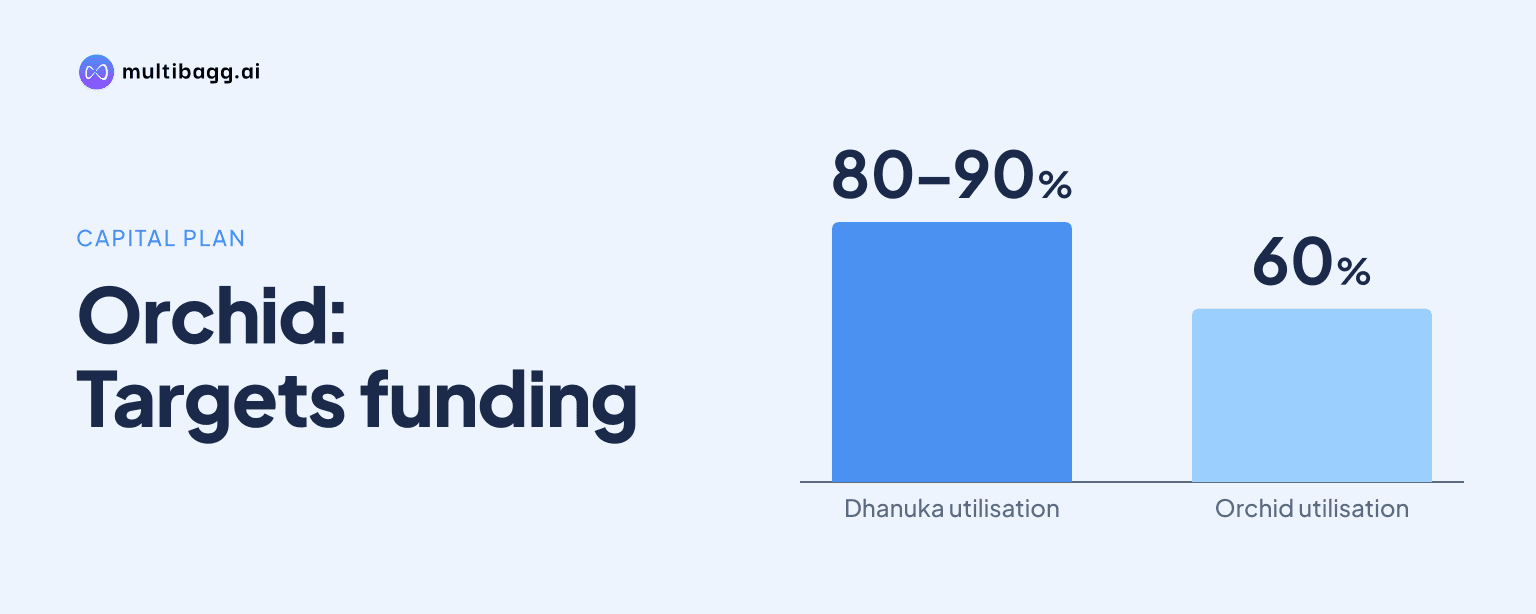
- The Dhanuka facility operated at about 80% to 90% utilisation, compared with 60% at the Orchid facility.
powered by IRIS
In the earnings call, Orchid Pharma Limited said its board-approved fundraising is intended for three uses: commodity-driven cost overruns at its 7-ACA project, repayment of cefiderocol project debt and a downstream-products investment in Chennai. Management said the 7-ACA overrun followed higher commodity prices during the preceding six to eight months.
Know Orchid Pharma inside out
Results, valuation, peers and who's buying, in one view.
Why is Orchid Pharma raising funds now?
Orchid Pharma is raising funds for three specified requirements: the 7-ACA project overrun, debt taken for the cefiderocol project and a downstream-products investment in Chennai. Management gave the explanation when asked why it had obtained approval for potential fundraising despite previous capital expenditure plans and investments.
The company did not disclose the fundraising amount, instrument, timing or allocation between the three uses. It also did not quantify the 7-ACA cost overrun or the cefiderocol debt to be repaid. The call therefore establishes the intended uses of capital, but not the financial scale of each use or the eventual dilution or debt reduction.
The timing reflects three projects at different stages. Orchid Pharma said 7-ACA remains in ramp-up, cefiderocol manufacturing is expected to be completed by March 2027, and the Chennai downstream investment can begin after environmental clearance and other approvals were received. The raise is consequently linked to an existing project overrun, project-finance repayment and a previously deferred expansion.
What caused Orchid Pharma's 7-ACA project overrun?
Orchid Pharma said the 7-ACA project incurred cost overruns because commodity prices rose during the previous six to eight months. Management separately said the market price of 7-ACA had been fairly stable, distinguishing input-cost pressure during project execution from the selling-price trend for the intermediate.
Management did not commit to a date for full 7-ACA utilisation. When asked whether the plant could reach 100% utilisation within two quarters, it said that would be wishful thinking, citing the challenges faced by other companies that had started fermentation factories earlier. It said Orchid Pharma is taking remedial actions and learning from those earlier operating experiences.
The 7-ACA investment is connected to downstream cephalosporin production. Management said downstream products such as ceftriaxone are directly linked to 7-ACA pricing and provide nominal value addition, because manufacturers of 7-ACA generally also produce downstream products. That operating link explains why the company identified both the 7-ACA overrun and the Chennai downstream investment as separate fundraising uses.
How will cefiderocol debt affect Orchid Pharma's plan?
Orchid Pharma said part of the proposed fundraising will repay debt raised for its cefiderocol project. The manufacturing licence covers 135 low- and middle-income countries, including India. Management said it expects India could account for 30% to 40% of cefiderocol consumption within that licensed territory because of the country’s antimicrobial-resistance burden.
Management expects cefiderocol manufacturing to be completed by March 2027. It then expects to apply to the Drugs Controller General of India, or DCGI, for a new-drug licence and said the approval process could take at least six months. Management said it hopes for a clinical-trial waiver and, subject to that regulatory process, hopes to commercialise the product around September or October.
The project’s manufacturing economics and marketing economics are being handled separately. Management said the manufacturing arrangement is expected to generate a profit before tax, or PBT, margin of about 20% to 25%. It also said a separate agreement covering the margin for marketing and distribution remains under negotiation, while GARDP and Shionogi had agreed to grant Orchid Pharma the Indian marketing licence subject to signing the agreement.
Got a follow-up? Ask IRIS
What will Orchid Pharma invest in Chennai?
Orchid Pharma plans to use part of the fundraising for downstream-product investment in Chennai. Management said the investment had been pending environmental clearance and other approvals, which are now in place. It said the company wishes to start the investment, making the plan a resumption of a delayed project rather than a newly disclosed capacity proposal.
No project cost, capacity, commissioning date or product list was disclosed for Chennai. Management also gave no volume, customer or pricing target for the facility. The confirmed point from the call is that the clearance barrier has been removed and that Orchid Pharma intends to proceed with the downstream investment.
The Chennai proposal accompanies a broader manufacturing-network plan. Management said it is modifying operations and seeking customer approvals so either plant can supply products to markets where required. That process is intended to allow the group to rationalise duplicated capacity after the merger while improving supply flexibility across its product portfolio.
How do current factories shape Orchid Pharma's spending?
Orchid Pharma said the merged Dhanuka facility generally operated at about 80% to 90% capacity utilisation, compared with 60% at the Orchid facility. Management also said it had increased capacity at Orchid by debottlenecking blocks. The difference indicates that the company is pursuing network optimisation alongside fresh downstream spending in Chennai.
Management plans to rationalise capacity where duplication exists, but said this depends on obtaining approvals from customers to source products from both sites. Until those approvals and modifications progress, it did not provide a combined utilisation target or estimate of how much revenue the existing facilities could generate.
Product mix is another factor in the company’s operating cash generation. Orchid Pharma reported a 39% gross margin in the quarter discussed on the call and said its objective is to keep gross margin above 35% through product-mix management. Management attributed the margin to complex injectable products with limited Indian competition, while stating that European demand was not doing well.
Conclusion
Orchid Pharma has specified three uses for its approved fundraising: covering a commodity-related 7-ACA cost overrun, repaying cefiderocol project debt and restarting Chennai downstream investment after approvals. The plan sits alongside factory rationalisation, with the Dhanuka facility operating at about 80% to 90% utilisation and the Orchid facility at 60%.
The next disclosed milestones are progress on 7-ACA remediation and ramp-up, the start of Chennai investment, and cefiderocol manufacturing completion by March 2027. Management’s hoped-for cefiderocol commercialisation around September or October depends on a DCGI licensing process expected to take at least six months and on obtaining a clinical-trial waiver.