











Forecasts
Financial Statements
AI Powered Summary
Discover detailed, AI-driven financial summaries that break down key metrics, trends, and insights—empowering you to make smarter investment decisions.
Ask AI
Standalone Quarterly Results (in ₹ Crores)
Standalone Profit Loss (in ₹ Crores)
Standalone Balance Sheet (in ₹ Crores)
Standalone Cash Flows (in ₹ Crores)
Documents
Investor Presentation
Q3 FY23
Investor Presentation
Q3 FY23
Investor Presentation
Q2 FY23
Available on Pro Plan
Unlock reports, presentations, and AI-powered insights.
Investor Presentation
Q1 FY23
Available on Pro Plan
Unlock reports, presentations, and AI-powered insights.
Investor Presentation
Q1 FY23
Available on Pro Plan
Unlock reports, presentations, and AI-powered insights.
Investor Presentation
Q4 FY22
Available on Pro Plan
Unlock reports, presentations, and AI-powered insights.
Investor Presentation
Q3 FY22
Available on Pro Plan
Unlock reports, presentations, and AI-powered insights.
Investor Presentation
Q2 FY22
Available on Pro Plan
Unlock reports, presentations, and AI-powered insights.
Actions
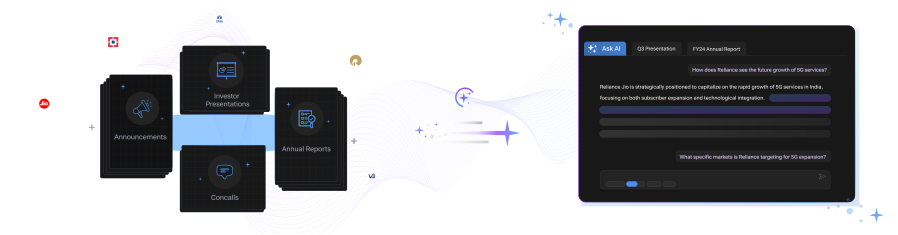
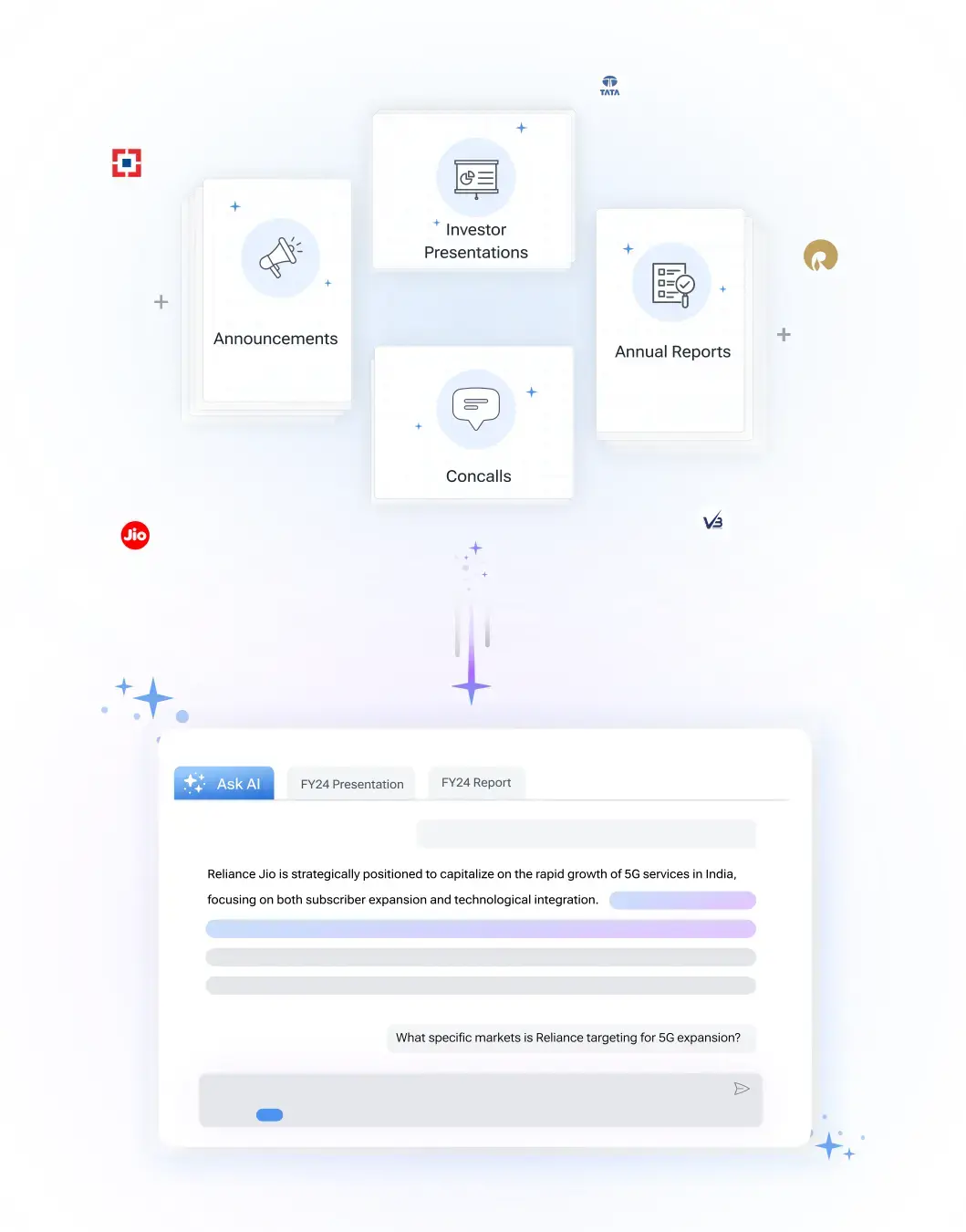
AI Mode
Get instant AI-powered insights about company performance, financials, and strategy. Ask questions about trends, competition, and developments while receiving responses backed by official documents and market data, with clear attribution to source documents.
Ask AI


Frequently Asked Questions about Cords Cable Industries Ltd
Cords Cable Industries Ltd (CORDSCABLE) is currently trading at 160.10 per share. Stock prices fluctuate during market hours on NSE and BSE based on demand, company updates, and overall market conditions. Refer to the live price chart above for the most recent price movement.
Cords Cable Industries Ltd (CCIL) specializes in the design, development, and manufacturing of a diverse range of cables for various industries, including power, cement, and petrochemicals. The company operates state-of-the-art manufacturing plants located in Alwar, Rajasthan, enabling it to offer high-quality, cost-effective cable solutions. Cords Cable has expanded its product range to include a variety of specialty cables, focusing particularly on LT cables, control & instrumentation cables. Over the years, CCIL's continuous investment in expanding facilities has substantially increased its production capacity, addressing energy and infrastructure sector needs. The clientele of Cords Cable features reputed blue-chip companies like BHEL, L&T, and NTPC, reflecting its strong market position and reliability.
Over the past 52 weeks, Cords Cable Industries Ltd has traded between a low of ₹148.40 and a high of ₹222.00. The 52-week high and low indicate the stock’s price range over the last year and help investors understand its volatility and recent trading levels.
Cords Cable Industries Ltd has a market capitalization of approximately 215.12. Market capitalization represents the total value of a company’s outstanding shares and helps investors understand its size, stability, and relative risk compared to other listed companies.
Cords Cable Industries Ltd’s investment profile depends on its business fundamentals, valuation, and long-term outlook. The stock currently trades at a PE ratio of 12.42 and operates in the Cables sector. Investors typically assess financial performance, growth prospects, and individual risk tolerance before making investment decisions.
Based on its market capitalization of 215.12 Cr, Cords Cable Industries Ltd is classified as a Small Cap stock. Large-cap stocks are generally more stable, while mid-cap and small-cap stocks tend to offer higher growth potential along with higher price volatility.
Cords Cable Industries Ltd operates in the Cables sector. Sector classification matters because companies in the same sector are often affected by similar economic conditions, regulatory changes, and competitive dynamics, which can influence overall stock performance.
The Price-to-Earnings (PE) ratio of Cords Cable Industries Ltd is 12.42. The PE ratio compares a company’s share price to its earnings and is commonly used to assess valuation. Comparing the PE ratio with sector peers and historical levels provides better context.
