










Gufic plans FY27 dermal fillers from No. 2 toxin base in India
Key highlights
- Stunnox is five years old and India’s second-largest aesthetic botulinum toxin brand, according to Gufic.
- Gufic initiated 3 Stunnox clinical studies covering onset, duration, diffusion and an additional indication.
- Gufic plans to launch an in-licensed dermal filler range in FY27.
- Gufic registered its botulinum toxin in Azerbaijan through a partner in Q2 FY27.
powered by IRIS
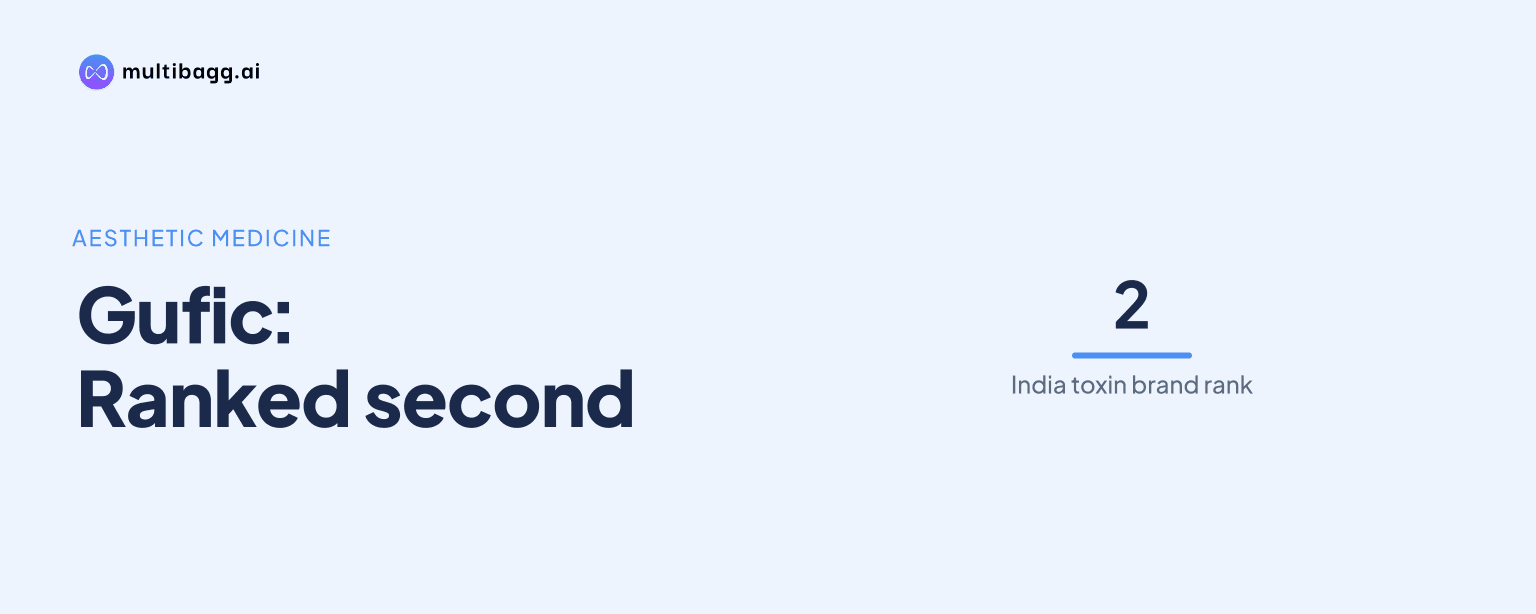
Gufic Biosciences Limited plans to launch an in-licensed dermal filler range in FY27, broadening its aesthetics offering beyond five-year-old Stunnox, which it identifies as India’s second-largest aesthetic botulinum toxin brand. The plan is supported by three initiated Indian clinical studies, injector training and adoption through organised clinic chains.
Know Gufic BioSciences inside out
Results, valuation, peers and who's buying, in one view.
What is Gufic's position in aesthetic botulinum toxin?
Gufic says Stunnox is the second-largest brand in India’s aesthetic botulinum toxin segment after five years in the market. Stunnox is manufactured from Gufic’s own strain, and the presentation says the business has no third-party dependence for its active ingredient. Gufic does not disclose Stunnox revenue, market share or the identity of the segment leader.
Stunnox is the existing base for an aesthetics portfolio that Gufic describes as moving beyond a single toxin brand. The disclosed change is the planned addition of dermal fillers in FY27, creating a second product category within aesthetics. Gufic has not provided filler sales targets, pricing, launch volumes or expected revenue contribution.
How is Gufic building Indian evidence for Stunnox?
Gufic has published a consensus recommendation on dosing in Indian patients and initiated three clinical studies for Stunnox. The studies are intended to generate Indian data on onset, duration, diffusion and an additional indication. The presentation does not disclose study size, completion timing, detailed endpoints or regulatory outcomes.
Gufic is pairing the three-study programme with injector training through in-clinic workshops, congress sessions and cadaver-laboratory training. The company says this activity widens the trained injector base and can support cross-category adoption after fillers enter the portfolio. It gives no numerical disclosure on trained clinicians, workshops or participating institutions.
How would dermal fillers broaden Gufic's aesthetics platform?
Gufic plans to launch an in-licensed dermal filler range from its Canadian partner in FY27. Its platform direction also says fillers are expected in Q3, while the detailed Aesthaderm page describes the launch as planned for FY27. Both disclosures identify the range as a planned launch rather than a completed introduction.
The filler range would add a second aesthetics category alongside Stunnox and address what Gufic calls a portfolio gap. The source does not identify the number of filler products, their indications, their approval status or commercial terms. Management’s stated mechanism for adoption is a broader injector network that can use products across toxin and filler categories.
Gufic also reported an encouraging response to GlutaRevive, which it describes as a first-in-India combination pack. The presentation provides no sales, prescription or market-share measure for GlutaRevive. The measurable disclosed development in the portfolio remains the planned FY27 filler launch.
Got a follow-up? Ask IRIS
How is Gufic using clinic chains to scale aesthetics?
Gufic says structured training with organised clinic chains resulted in adoption within chain networks during Q2 FY27. It identifies these chains as the primary route to repeatable scale, rather than relying only on individual injector relationships. The company does not name the chains or disclose order volumes from the programme.
The chain strategy works alongside in-clinic, congress and cadaver-laboratory training. Gufic’s disclosed sequence is to build use of Stunnox through trained injectors, then support filler adoption after launch. This links the brand’s second-largest market position, three Indian studies and training infrastructure to the planned broader aesthetics platform.
What role does Gufic's therapeutic toxin franchise play?
Gufic’s Neurocare therapeutic toxin franchise covers post-stroke spasticity, cerebral palsy, dystonia, chronic migraine and urological indications. It describes these as guideline-driven, protocol-mandated settings where adoption can take time to establish and recur once established. This therapeutic franchise serves medical specialties, unlike the aesthetics-focused Aesthaderm business.
Gufic is also working to extend therapeutic use into urology, ophthalmology, pain management and neurosurgery, with hands-on training identified as the main lever for creating injectors. In Q2 FY27, its botulinum toxin was registered in Azerbaijan through a partner, extending the franchise beyond India and Nepal. The presentation does not disclose a first commercial order from Azerbaijan.
Conclusion
Gufic’s disclosed strategy is to use Stunnox, a five-year-old and second-largest Indian aesthetic toxin brand, as the foundation for a wider aesthetics offering. The planned FY27 filler range, three Indian clinical studies, organised-chain adoption and injector training are the stated building blocks. The therapeutic toxin franchise adds a separate medical pathway across five core indications and adjacent specialties.
The next disclosed milestone is the filler launch, which the presentation places in Q3 and FY27 without a more specific date. Management’s plan also leaves investors to watch for outcomes from the three studies on onset, duration, diffusion and an additional indication, and for evidence that clinic-chain adoption and injector training translate into disclosed commercial measures.