










Recode Says Retailer Credit Will Not Stretch Further Now
Key highlights
- Recode said receivables had already improved and would not stretch further.
- An analyst cited Rs 8-9 crore of additional short-term advances, which Recode identified as supplier advances.
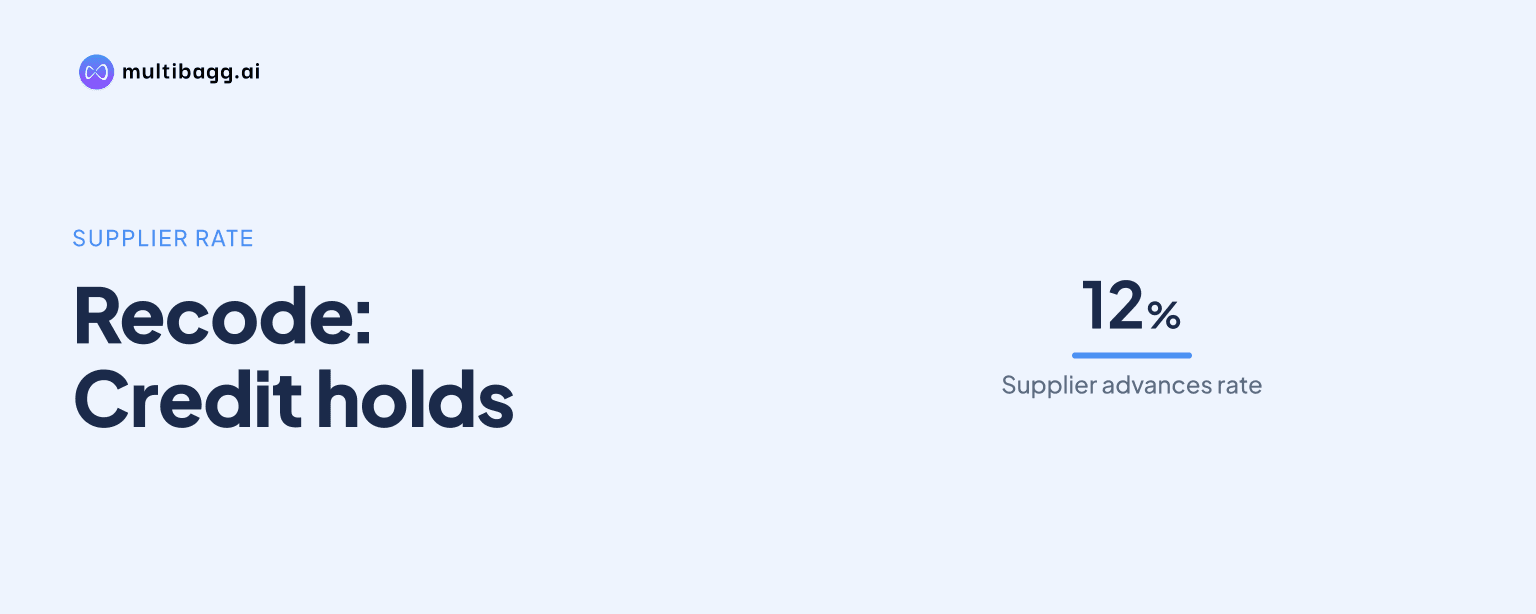
- Recode disclosed a 12% rate on certain supplier advances.
- Recode said it hired around 65-75 employees and plans only 5-10 more hires.
powered by IRIS
Recode said its trade receivables had already improved and would not stretch further after it stocked new distribution locations, but management said it would deliberately keep retailer credit flexible while expanding. The policy coincided with an analyst’s reference to Rs 8-9 crore of additional short-term loans and advances, which management identified as supplier advances.
Know Recode Studios inside out
Results, valuation, peers and who's buying, in one view.
Why does Recode say receivables have peaked?
Recode said the receivables increase reflected the initial inventory required for new locations, including Bhubaneswar, Hyderabad, Chennai, Jabalpur, Patna and Ranchi. Management also said Jammu was due to open within 10 days of the call, requiring another initial inventory placement as distribution expanded.
Management said Recode had been short of inventory before its initial public offering, or IPO, and used IPO funds to put stock into locations where it saw demand potential. Its explanation was that this inventory was not given away permanently: stores and dark stores sold onward, after which payments began returning to Recode.
Recode said the collection cycle had started to turn from the beginning of November. Management said it was initially only supplying dark stores, but those locations subsequently sold goods and remitted payments, while repeat customers had been established. This was management’s basis for saying receivables had already improved.
The call did not disclose a receivables balance, collection period or cash-conversion-cycle measure. It instead described an operating mechanism in which new-market stocking raises the funding requirement before sell-through and retailer payments complete the cycle.
Will Recode reduce retailer credit or working capital now?
No. Recode said it would not intentionally reduce its working-capital cycle while it was penetrating markets and competing with legacy brands. Management said it was consciously being flexible with retailer credit rather than tightening terms during the distribution-building phase.
Management said it was deliberately giving retailers leverage to sell products before paying Recode. It linked that decision to its offer of higher retailer margins and products it described as good-quality international products made by manufacturers it said were comparable with those serving other international brands.
When asked whether the position could stretch further, management said it would not, stating that it had already stretched as much as it was going to. Recode also agreed that it was intentionally following the same approach compared with the prior year, meaning its stated policy is to maintain flexibility rather than promptly shorten the cycle.
No numerical target for working-capital days was provided. The relevant disclosed target was qualitative: management said the current level would not extend further, even as it continued to support retailer sell-through in newer markets.
What are Recode’s supplier advances for?
Recode said the short-term loans and advances raised by the analyst were all advances to suppliers. The analyst referred to an addition of Rs 8-9 crore, and management said the advances included amounts paid to vendors in China and Thailand as well as other suppliers.
Management said it had earned interest income on some vendor advances and stated a 12% rate when asked what interest it charged suppliers. Recode did not provide the amount outstanding at that rate, the duration of the advances, the identity of counterparties or the aggregate interest income.
The analyst also asked how much inventory Recode sourced from India versus outside India. Management did not provide the ratio during the call and said it would send it separately. Therefore, the transcript confirms the presence of domestic and overseas vendor relationships but does not quantify procurement by geography.
Supplier advances and retailer receivables address separate points in Recode’s operating cycle. In management’s account, supplier advances support inventory procurement, while retailer credit allows new locations to sell stock before paying Recode; the call does not disclose inventory balances that would measure the total cash commitment.
Got a follow-up? Ask IRIS
How does Recode connect this policy to its H2 plan?
Recode said the first half, or H1, was an investment period in which it increased inventory, added staff and opened quick-commerce kiosks. Management described H1 as seasonally weak for its business and said these investments were intended to pay back during the second half, or H2.
Management said capital had constrained growth in the previous year, whereas it now had funds and staff following the IPO. It said Recode would grow by at least 2x compared with H1, though it did not give a revenue figure, revenue target or period-end sales outcome to support that expectation.
Recode said its main seasonal period started on November 20 and would continue until July because the Indian Hindu wedding season was one month late. Management described the first 45 days of H2 as excellent but did not disclose sales, collections, margin or order figures for those 45 days.
The management case is that the longer wedding season gives the company more time to sell stock placed in advance of demand. That seasonal timetable is relevant to receivables because Recode expects retailer sell-through and subsequent payments to occur after inventory reaches new locations.
What evidence will show whether Recode’s plan is working?
The first measure will be whether payments continue to arrive after stores and dark stores sell the inventory supplied from the beginning of November. Management’s statement that receivables will not stretch further depends on the collection cycle it described operating across locations such as Chennai, Patna and Ranchi.
A second measure will be H2 growth and margin recovery after the spending in H1. Management said it was working to improve margins after an analyst noted lower H1 margins, but Recode gave no numerical margin target or H2 margin guidance.
Staff costs are another disclosed part of the investment plan. Recode said it had hired around 65-75 employees and expected to hire only another 5-10, mainly front-line staff, after saying salary and related expenses had risen because of seasonal hiring.
Management said its target was for employee expenses to equal 5%-7% of revenue. It also said employees hired during the season could pay back within 15 days to one month, while hires made in H1 may take longer because they are onboarded ahead of the stronger seasonal period.
Conclusion
Recode’s stated strategy is to accept a larger working-capital commitment while it supplies new markets, advances funds to vendors and gives retailers time to sell. Management said receivables had improved, the Rs 8-9 crore of additional advances cited by the analyst were supplier-related, and credit would not stretch further, although the call provided no receivables balance or working-capital-day target.
The next disclosed test is the seasonal period from November 20 to July, during which management expects inventory placements to convert into sales and collections. Investors can also watch whether H2 delivers the at-least-2x growth versus H1 cited by management, and whether the planned additional 5-10 hires keep employee expenses within its 5%-7% of revenue target.