





Board Meeting
Indian Bank Board to Consider Capital Raising
Indian Bank’s Board will meet on 20 November 2026 to consider raising additional Basel III-compliant AT1 and Tier 2 bonds beyond the existing ₹2,000 crore approval.





IRIS
Multibagg AI is an AI powered stock research and analysis platform. We provide data, information, content, and analytics for publicly traded Indian companies listed on NSE and BSE. AI can make mistakes, check important information.
Prices might be delayed by a few minutes.
Join our Exclusive Community


Join our Exclusive Community
Made with 💙 in India. © Finsky Technologies Pvt Ltd. 2026


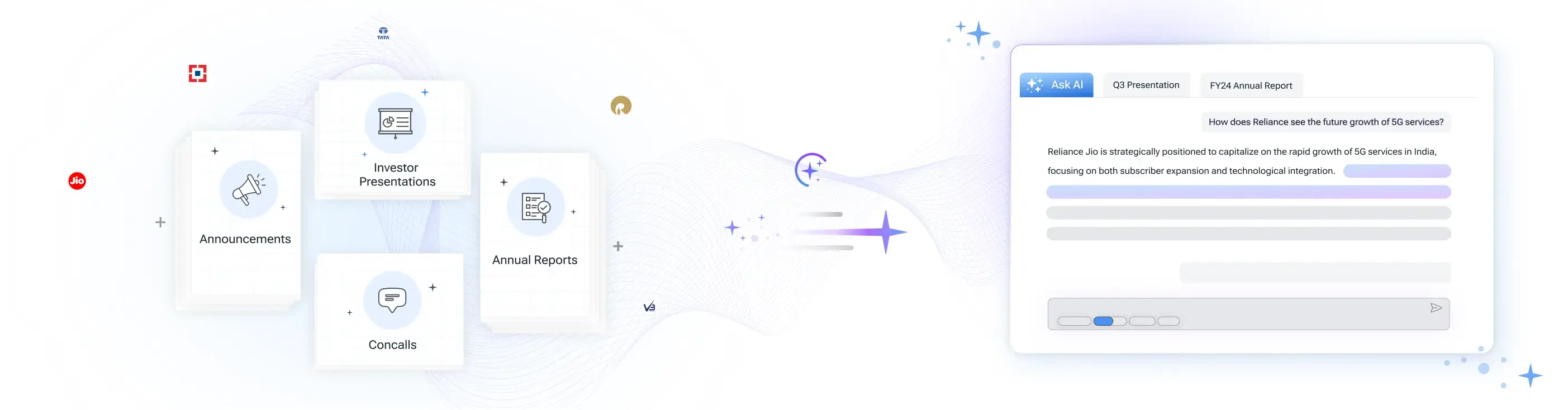
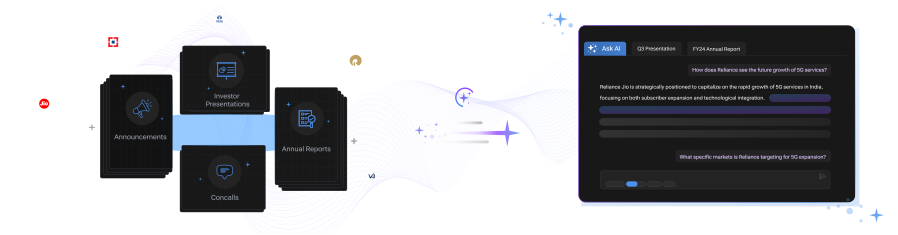
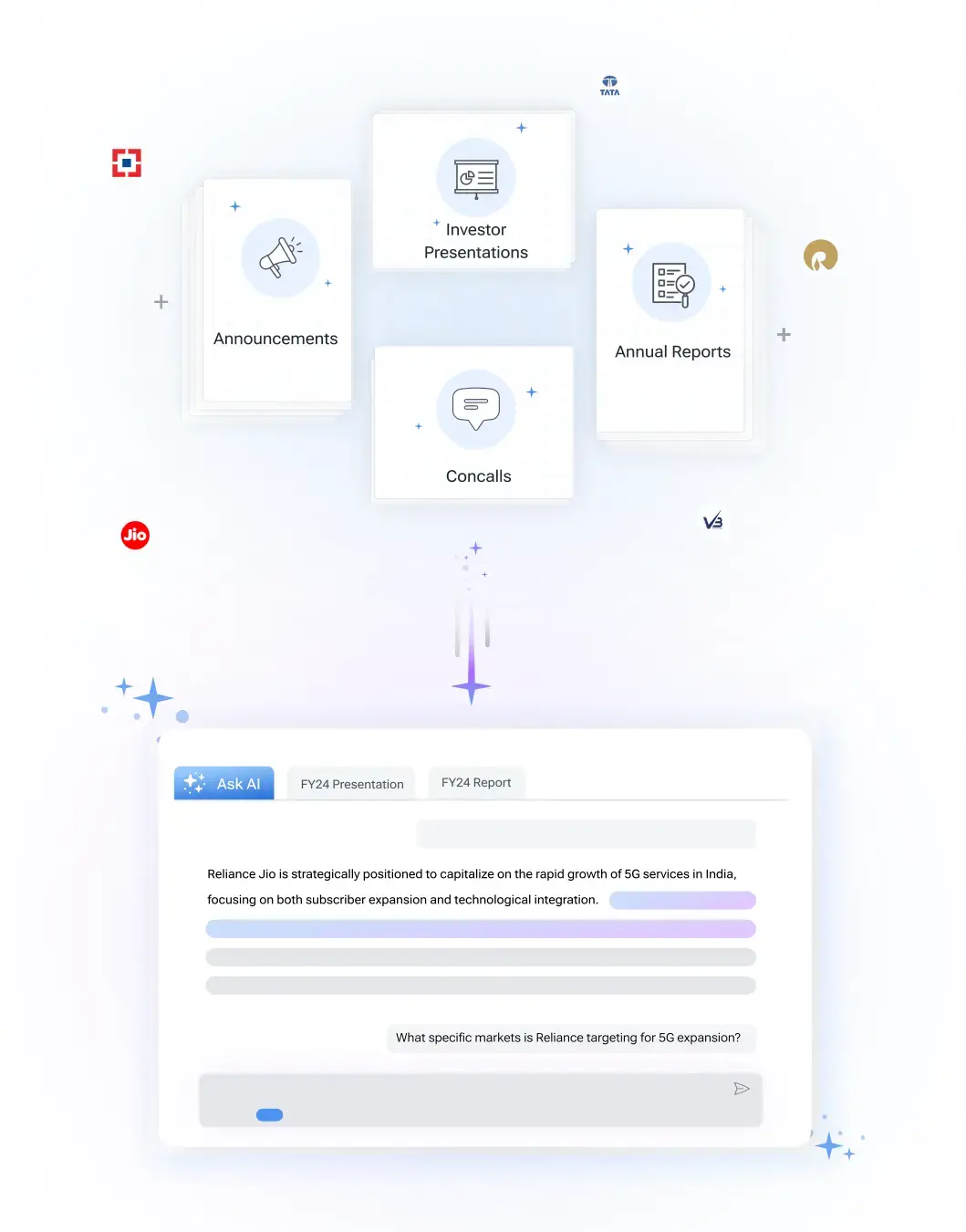
Get instant AI-powered insights about company performance, financials, and strategy. Ask questions about trends, competition, and developments while receiving responses backed by official documents and market data, with clear attribution to source documents.

 Discovery themes featuring this stock
Bearish
6
Neutral
3
Bullish
5
Bearish
7
Neutral
3
Bullish
36
Bearish
1
Neutral
0
Bullish
31
Bearish
1
Neutral
0
Bullish
31
Bearish
1
Neutral
0
Bullish
31
Bearish
1
Neutral
0
Bullish
31
View Standalone
View Standalone
View Standalone
View Standalone
View Standalone
View Standalone
View Standalone
View Standalone

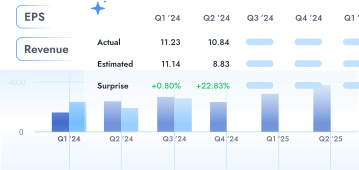
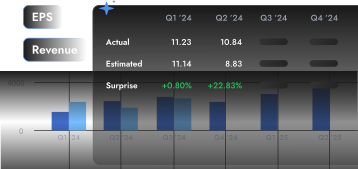




Indian Bank is a government-owned public sector bank offering retail, corporate, agriculture and MSME banking through an extensive branch and digital network; it reported Q2 FY27 results with a continued focus on balanced growth, asset quality and profitability while expanding digital services and overseas operations.
In Q2 FY27 Indian Bank reported total business growth of 14.22%, advances growth of 16.39%, deposit growth of 12.50%, and net profit up 14.71% to Rs.3,462 crore, noting a one-time NSE listing gain that materially boosted other income and operating profit for the period.
Asset quality and capitalization remain comfortable: gross NPA at 1.61%, net NPA 0.14%, provision coverage ratio at 98.22%, and a capital adequacy ratio of 16.21% (CET1 15.18%), while management proactively made ECL provisions (Rs.2,500 crore to date) and expects total incremental provisioning near Rs.3,500 crore.
Management is executing a multitier digital and distribution strategy: Q2 launches of TARA conversational AI and Smart Wealth, fintech solutions delivered to 223 entities adding Rs.5,000 crore, and targeted CASA initiatives that supported a near-40% CASA mix, signalling a push to lower funding costs and deepen customer engagement.
Treasury and transition risks require monitoring: the bank flagged an HTM mark-to-market transition exposure, modest MTM impact in Q2 excluding NSE gains, and expects a muted treasury outlook; management plans cautious bulk deposit strategy and selective funding via infrastructure bonds or refinance options.
Banks
Public Sector Bank
1,25,665 Cr
High Risk
9.5
13.0
1.4
1.6
1,000.05
764.30
Sales CAGR
Profit CAGR
ROE
ROCE
Discovery themes featuring this stock

Indian Bank (INDIANB) is currently trading at 940.00 per share. Stock prices fluctuate during market hours on NSE and BSE based on demand, company updates, and overall market conditions. Refer to the live price chart above for the most recent price movement.
Indian Bank is a government-owned public sector bank offering retail, corporate, agriculture and MSME banking through an extensive branch and digital network; it reported Q2 FY27 results with a continued focus on balanced growth, asset quality and profitability while expanding digital services and overseas operations. In Q2 FY27 Indian Bank reported total business growth of 14.22%, advances growth of 16.39%, deposit growth of 12.50%, and net profit up 14.71% to Rs.3,462 crore, noting a one-time NSE listing gain that materially boosted other income and operating profit for the period. Asset quality and capitalization remain comfortable: gross NPA at 1.61%, net NPA 0.14%, provision coverage ratio at 98.22%, and a capital adequacy ratio of 16.21% (CET1 15.18%), while management proactively made ECL provisions (Rs.2,500 crore to date) and expects total incremental provisioning near Rs.3,500 crore. Management is executing a multitier digital and distribution strategy: Q2 launches of TARA conversational AI and Smart Wealth, fintech solutions delivered to 223 entities adding Rs.5,000 crore, and targeted CASA initiatives that supported a near-40% CASA mix, signalling a push to lower funding costs and deepen customer engagement. Treasury and transition risks require monitoring: the bank flagged an HTM mark-to-market transition exposure, modest MTM impact in Q2 excluding NSE gains, and expects a muted treasury outlook; management plans cautious bulk deposit strategy and selective funding via infrastructure bonds or refinance options.
Over the past 52 weeks, Indian Bank has traded between a low of ₹764.30 and a high of ₹1,000.05. The 52-week high and low indicate the stock’s price range over the last year and help investors understand its volatility and recent trading levels.
Indian Bank has a market capitalization of approximately 1,25,665.00. Market capitalization represents the total value of a company’s outstanding shares and helps investors understand its size, stability, and relative risk compared to other listed companies.
Indian Bank’s investment profile depends on its business fundamentals, valuation, and long-term outlook. The stock currently trades at a PE ratio of 9.51 and operates in the its sector sector. Investors typically assess financial performance, growth prospects, and individual risk tolerance before making investment decisions.
Based on its market capitalization of 1,25,665.00 Cr, Indian Bank is classified as a Large Cap stock. Large-cap stocks are generally more stable, while mid-cap and small-cap stocks tend to offer higher growth potential along with higher price volatility.
Indian Bank operates in the its sector sector. Sector classification matters because companies in the same sector are often affected by similar economic conditions, regulatory changes, and competitive dynamics, which can influence overall stock performance.
The Price-to-Earnings (PE) ratio of Indian Bank is 9.51. The PE ratio compares a company’s share price to its earnings and is commonly used to assess valuation. Comparing the PE ratio with sector peers and historical levels provides better context.
Indian Bank reported net profit of INR 3,462 crore in Q2 FY27, up 14.71% year-on-year, as stated in its earnings call.
Indian Bank reported standalone net profit of ₹3,462 crore in Q2FY27, up 14.7% year-on-year from ₹3,018 crore.
The excerpt shows a BSE filing titled “Announcement under Regulation 30 (LODR) – Interest Rates Updates” dated 07 October 2026, indicating a material interest-rate related update.
Indian Bank guided for advance growth of 11% to 13% for FY27, as stated in the provided management outlook.
| Symbol | Watchlist | Price | Market Cap | P/E | P/B | Div Yield (%) | ROE (%) | ROCE (%) | ROA (%) |
144.40 | 1,65,958 Cr | 7.26 | 1.10 | 2.08 | 13.24 | 5.64 | 1.00 | ||
205.30 | 1,56,718 Cr | 7.12 | 1.14 | 2.44 | 14.77 | 6.03 | 1.31 | ||
270.15 | 1,39,704 Cr | 7.07 | 0.80 | 3.15 | 11.02 | 4.95 | 0.86 | ||
932.95 | 1,25,665 Cr | 9.51 | 1.57 | 1.96 | 14.91 | 5.62 | 1.20 | ||
132.20 | 1,19,914 Cr | 5.88 | 0.99 | 3.18 | 15.07 | 5.80 | 0.95 | ||
91.75 | 70,570 Cr | 8.82 | 1.99 | 1.31 | 21.75 | 5.57 | 1.73 | ||
153.00 | 69,656 Cr | 5.57 | 0.81 | 3.04 | 12.93 | 5.37 | 0.94 | ||
| Median: 7 Co. | — | 153.00 | 1,25,665 Cr | 7.12 | 1.10 | 2.44 | 14.77 | 5.62 | 1.00 |
Board Meeting
Indian Bank’s Board will meet on 20 November 2026 to consider raising additional Basel III-compliant AT1 and Tier 2 bonds beyond the existing ₹2,000 crore approval.
Public Notice/Press Release
Indian Bank published notices in Financial Express, Jansatta and Hindu Tamil Thisai regarding lost share certificates.