










Highness says Goa Fast Track could support 2x-3x revenue
Key highlights
- Highness plans Rs 12 crore for Goa Fast Track, including Rs 9 crore of capital expenditure and Rs 3 crore of working capital.
- Management said Goa Fast Track could support revenue at roughly two to three times projections, subject to an MOU.
- The proposed customer MOU is intended to support engagement for at least 3 years.
- Highness reported about Rs 30 crore of order-execution visibility for the next 12 months.
powered by IRIS
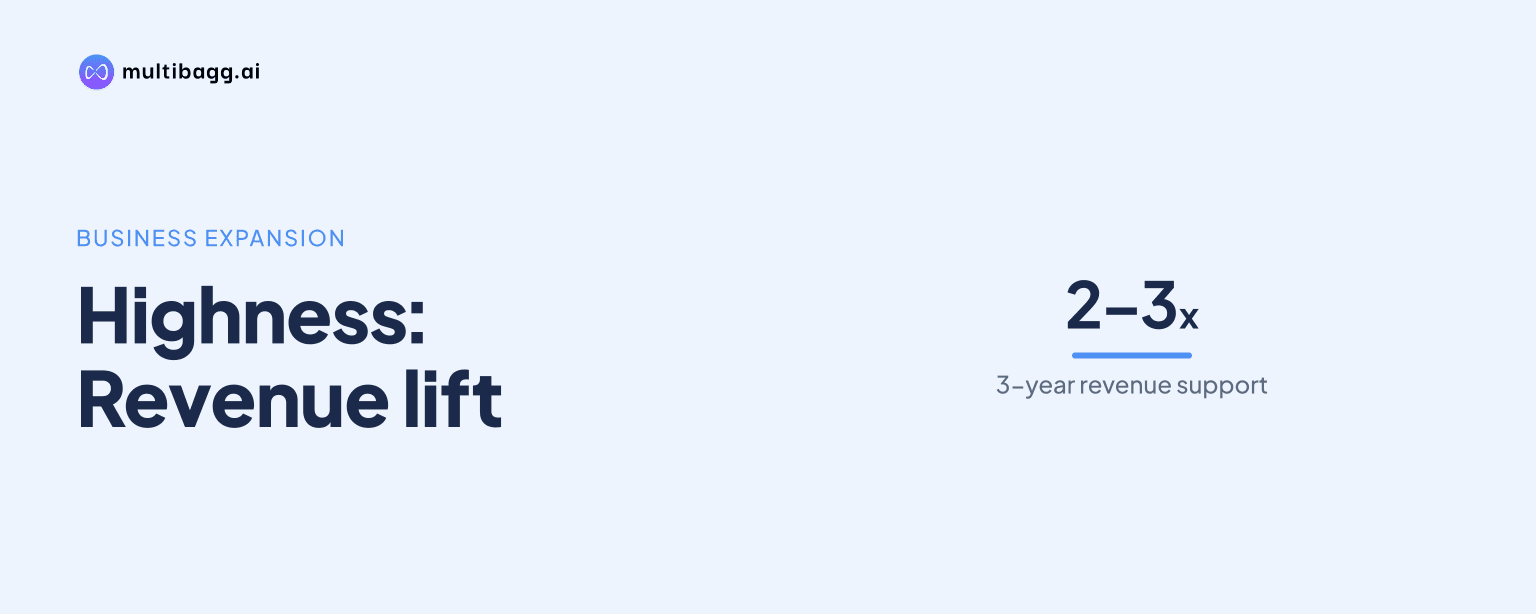
Highness Microelectronics Limited said on November 6, 2026 that its Goa Fast Track plan requires Rs 12 crore and could support revenue at roughly two to three times its projections, subject to signing a customer memorandum of understanding. Management allocated Rs 9 crore to capital expenditure and Rs 3 crore to working capital.
Know Highness Microelectronics inside out
Results, valuation, peers and who's buying, in one view.
How much will Highness spend on Goa Fast Track?
Highness plans to spend Rs 12 crore on Goa Fast Track, comprising Rs 9 crore of capital expenditure and Rs 3 crore of working capital. Management described the project as a fast-track development intended to create capacity for an opportunity identified through discussions with companies in an energy-related segment.
Highness had received government approval for the Goa facility, and management said excavation was due to start in the following week after the rains had stopped. The layout plan and necessary approvals were in place, according to management, although it cautioned that approvals near the end of construction could still affect the schedule.
The Rs 12 crore requirement is distinct from the Rs 30 crore of execution visibility Highness said it had for the next 12 months. The first amount is a planned investment in Goa Fast Track, while the second is management's stated visibility for work to be executed, so the two figures do not represent the same revenue measure.
What revenue opportunity does Highness see from Goa Fast Track?
Highness said the prospective opportunity could support revenue at around two to three times its projections, but management did not provide an exact value before the memorandum of understanding, or MOU, is signed. Management said the project could top up its projections and called the opportunity a decent-sized one.
Management said the MOU is intended to support an engagement of at least three years rather than a one-off order. It added that the intended structure is for the order cycle to continue beyond three years, although that outcome depends on the terms ultimately agreed with customers.
The opportunity is not limited to one prospective buyer, management said, because a handful of companies in the relevant segment identified the same dependence on display imports from China. Highness said one prospective customer has more than 25% market share and mainly serves domestic demand, while another, larger player is largely export-oriented.
Management said the government incentive scheme it referred to as PLI applies to both potential customers. Highness said it is preparing capacity as the opportunity emerges rather than choosing customers solely according to whether their end demand is domestic or export-led.
When could Highness commission the Goa facility?
Highness is targeting Goa facility commissioning within nine to 12 months, while management stressed that this was a target rather than a fixed commitment. It said approvals and construction can take longer than planned, particularly toward the end of the development process.
The expected nine-to-12-month development timetable should be read separately from the at-least-three-year proposed customer engagement. The facility timetable concerns when Goa Fast Track could become operational, whereas the longer period is management's intended duration for the MOU-based commercial relationship.
Highness said the Goa development had moved beyond approval and layout planning to an intended excavation start in the week after the November 6 call. That construction milestone matters because management said its capital-expenditure plan totals Rs 9 crore, within the overall Rs 12 crore project requirement.
Management also said it had made applications to the central government for subsidies and incentives related to the Goa facility. However, it said claims and progress on those applications could occur only as the factory work advances and the facility becomes operational, so no incentive amount was disclosed.
Got a follow-up? Ask IRIS
What must happen before Highness can realise the revenue opportunity?
Highness must sign the MOU and obtain orders before it can quantify the Goa Fast Track contribution, because management said it was not at liberty to give exact revenue numbers beforehand. The two-to-threefold revenue assessment is therefore management's indication of possible scale, not an announced order book.
Customer product qualification is part of the commercial mechanism cited by management. Highness said it had previously granted longer credit terms to two export customers across two or three orders so they could use, qualify and certify its products, seeking repeat business instead of a one-time sale.
Management said the earlier export receivables from customers in the United Arab Emirates and Australia had fallen to 50% of their original amount during the first half of the year. It said the extended credits were agreed terms, and that going forward Highness is working on letter-of-credit, or LC, terms and does not intend to offer long credits to most, or potentially any, export customers.
The company also linked the Goa plan to readiness for orders rather than to a presently disclosed customer commitment. Management said it was setting up the line after learning at an energy conference that several companies wanted a local alternative to imported Chinese displays.
How does Highness plan to compete for this demand?
Highness identified Chinese suppliers as the most obvious competition, while management also said customers in three design wins had previously bought from Taiwan and China. Management said Highness won those three design wins by offering a lower price and a product it described as superior.
For Australia, Highness said a Sydney-based partner is promoting its displays and that the partner's representatives had visited its facility to view the glass-cutting line. Management said it had exported during the first half of the year, was working on more orders for the second half, and regarded Australia as its immediate rail-focused target within Oceania.
Highness also cited its Rabale glass-cutting line as support for its Made in India positioning with Chennai Metro. Management said Chennai Metro orders were dispatched in the first half, that it had bid for Phase 2 expansion, and that it expects further orders as the metro system expands.
The company described rail demand as another evidence base for repeat orders. Management said more than 1,000 of its display units were already in service with Delhi Metro from supplies made during the COVID period, and said that operating record supports its approach to pursuing subsequent orders.
Conclusion
Highness has placed a defined Rs 12 crore requirement behind Goa Fast Track, including Rs 9 crore of capital expenditure and Rs 3 crore of working capital. Management's indication of a two-to-threefold revenue opportunity rests on a prospective multi-year MOU and on capacity being ready to serve companies seeking local display supply, rather than on a disclosed signed order.
The next disclosed milestones are the start of excavation, progress toward the nine-to-12-month commissioning target, and signing of an MOU intended to run for at least three years. Highness also has Rs 30 crore of order-execution visibility over the next 12 months, while government subsidy and incentive applications remain dependent on progress toward an operational facility.