










Graviton Singapore Profit Rises 166%, Making Founders Billionaires
Key highlights
- Graviton's Singapore unit increased FY26 profit 166% to $142.4 million.
- Singapore revenue rose 112% to $239.4 million in the year ended March 2026.
- Graviton's Indian unit reported Rs 8.84 billion profit, down 25%, on revenue of Rs 22.8 billion.
- Nishil Gupta and Ankit Gupta were estimated at about $1 billion each at age 39.
powered by IRIS
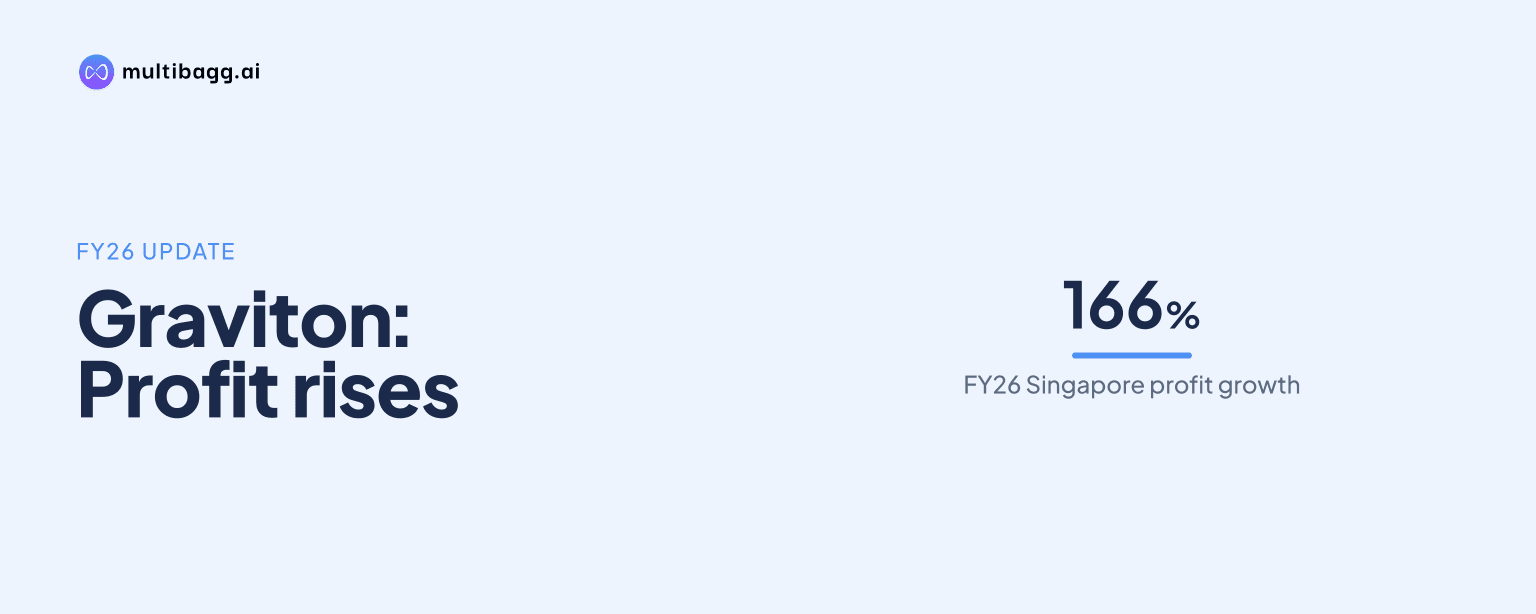
Graviton Research Capital's Singapore unit increased FY26 profit 166% to $142.4 million, surpassing the Indian business and helping place co-founders Nishil Gupta and Ankit Gupta at about $1 billion each on the Bloomberg Billionaires Index. The shift followed rapid overseas revenue growth while profit declined in India.
Why did Graviton's Singapore unit overtake India?
Graviton's Singapore unit overtook its Indian operations because its profit nearly tripled in the year ended March 2026, while the domestic business reported lower revenue and profit. The Singapore entity, which Graviton describes as representing its global business, reported revenue of $239.4 million, up 112% year on year. Its profit of $142.4 million was up 166%.
The result put Singapore ahead of the Indian unit in profit for the reported period. India reported profit of Rs 8.84 billion, or about $94 million at current exchange rates, after a 25% decline. A year earlier, the Indian operation had generated more than twice the Singapore unit's profit, underlining how quickly the geographical balance changed.
How did Graviton's Indian business perform in FY26?
Graviton's Indian business recorded an 11% fall in revenue to Rs 22.8 billion and a 25% decline in profit to Rs 8.84 billion in FY26. The company attributed the weaker domestic outcome to headwinds in the Indian trading environment, where competition had increased.
Costs also rose at the Indian entity. Personnel expenses increased 21% to Rs 11.6 billion, equivalent to roughly half of reported Indian revenue. The contrast with Singapore is important because the latter unit's profit margin was about 59% of revenue, whereas the Indian operation's reported margin was about 39%.
The reported comparison needs to be read with an accounting change in mind. Both entities changed their accounting for the latest and prior year, and revenue is now shown net of trading expenses. That means the disclosed figures provide a revised basis for comparing the two businesses, rather than a simple comparison with older gross-revenue reporting.
Got a follow-up? Ask IRIS
Who are Graviton's founders and why are they billionaires?
Graviton's co-founders, Nishil Gupta and Ankit Gupta, are equal owners whose estimated wealth reached about $1 billion each after the group's valuation rose. Bloomberg reported that the firm's valuation increased by about a third from $1.46 billion, a figure based on the two entities' accounts for the year ended March 2025.
Both founders are 39, are not related, and met at the Indian Institute of Technology Delhi before starting Graviton in 2014. Nishil Gupta previously worked as a vice president at WorldQuant and focuses on model design and risk. Ankit Gupta runs technology and systems.
Graviton has been described as India's first billion-dollar quantitative trading venture. The company started with Rs 75 million, according to the reported account, and has expanded its workforce to more than 400 people in recent years. It also plans to move into a larger office in Gurugram.
What does Graviton's overseas expansion show?
Graviton's FY26 numbers show that overseas operations have become its largest reported profit contributor, with Singapore functioning as a hub for regional-market trading and risk management. The company has added senior hires as it expands globally, while the Singapore entity became a London Stock Exchange member in 2024.
The divergence does not mean that India is no longer material to the firm. The Indian unit still generated Rs 22.8 billion in revenue and Rs 8.84 billion in profit in FY26. However, the figures indicate that Graviton's near-term earnings mix is increasingly shaped by Singapore rather than by its original domestic market.
There are also unresolved regulatory and operating considerations. Income tax officials raided Graviton's offices in October 2025 amid greater scrutiny of high-speed traders. The company said it was cooperating and that Graviton India and Graviton Singapore are separate entities with separate management.
Conclusion
Graviton's Singapore profit rise to $142.4 million marks a major change in the firm's earnings profile. The 166% increase not only put the overseas unit ahead of India on profit, but also supported the estimated $1 billion fortunes of Nishil Gupta and Ankit Gupta as equal shareholders.
The next reported period will show whether Singapore can sustain its higher contribution as Graviton continues global hiring and expansion. Investors and market participants will also watch the effect of tougher Indian trading conditions, higher personnel costs and the securities transaction tax increase on futures and options effective April 1, 2026.